The train from Amsterdam Centraal takes about thirty minutes. You step out at Zandvoort aan Zee, walk ten minutes west, and the North Sea arrives. What you’re actually here for, if you’re reading this, is Zandvoort gay beach cruising, and unlike most places where that activity requires dark corners and careful timing, Zandvoort does it in broad daylight, in the dunes, with the smell of salt air and the sound of seagulls. Nobody is pretending otherwise. That honesty is most of the appeal.
The gay section of Zandvoort beach is one of those places that works precisely because everyone there knows what it’s for. There’s no performance of plausible deniability. Men sunbathe naked, walk into the dunes, come back. The beach keeps going. The scene runs on mutual understanding rather than secrecy, which gives it a particular ease you don’t find in parks after dark or saunas where the overhead lighting is doing its best not to flatter anyone. At Loaded Edit, we’ve covered Amsterdam’s full outdoor scene extensively, this is the day-trip piece, and it earns its own category.
If you want the full picture of Amsterdam’s outdoor options before or after you read this, start with the Amsterdam gay cruising guide, it covers everything from parks to saunas to the apps people actually use. Zandvoort sits within that world but runs on different logic entirely.
Key Takeaways
Zandvoort’s gay and nudist beach sections overlap in the southern stretch near Beach Club 70, roughly 30 minutes by direct train from Amsterdam Centraal.
The cruising at Zandvoort happens primarily in the dunes behind the beach, not on the sand itself.
Peak season is late June through August; weekday afternoons in July are often the best combination of active and uncrowded.
The Netherlands ranks among Europe’s most sex-positive countries for public nudity policy, with Zandvoort’s naturist beach operating under local municipal tolerance (Rijksoverheid.nl, 2024).
Zandvoort and De Oeverlanden are complementary, not interchangeable: different energy, different crowd, different proposition entirely.
Where to Go: The Gay Beach at Zandvoort
The Netherlands has some of the most permissive naturist beach policy in Europe, with designated nudist zones at over 40 coastal and inland beach locations recognised by local municipalities (Naturisten Federatie Nederland, 2025). Zandvoort is the most accessible of these from Amsterdam. The beach runs for several kilometres along the North Sea coast, and you don’t walk the whole thing. You walk south.
The main beach at Zandvoort is wide and flat, lined by beach clubs (strandclubs) numbered by pole markers running from north to south. The area most gay visitors are heading for sits roughly around the Paal 70 zone, in the southern stretch of the beach where the naturist sections begin and the club-and-bar energy of the central beach fades. You’ll know you’ve arrived in roughly the right area when the swimwear becomes optional and the demographic shifts noticeably.
The cities worth going to. The spots worth finding. In your inbox.
Every week. No noise.
No spam. Unsubscribe anytime.
By subscribing you agree to our Privacy Policy.

The nude beach and the gay cruising-adjacent zone overlap here. That’s not an accident: naturist culture in the Netherlands has always had a casual relationship with sexuality that most British or American visitors find initially surprising and then immediately sensible. Nobody is aggressively sexual on the beach itself. That’s not what the beach is for. The beach is for sun, conversation, a swim in the North Sea if you’re brave or Dutch enough, and horizontal rest.
The dunes, though, are something else entirely.
Citation Capsule: The naturist beach at Zandvoort operates in the southern section of the coastline beyond the main commercial beach club area, formally recognised under Dutch municipal tolerance policy for designated naturist zones. Netherlands naturist federation data records over 40 designated naturist sites nationally, with Zandvoort cited as the most frequented given its proximity to the Amsterdam metropolitan area (Naturisten Federatie Nederland, 2025).
Zandvoort Beach Gay Cruising: What Actually Happens There
Understanding Zandvoort means understanding the two distinct zones: the beach, and the dunes. They’re connected and you move between them, but they have different social registers and different purposes.
The beach is the social scene. You arrive, you find a spot in the southern stretch, you take your clothes off if you want to, you read a book or lie in the sun or wade into the water. Men clock each other in the ordinary unhurried way of a beach. There’s conversation. There’s watching. It’s relaxed in the specific Dutch way of not-making-anything-unnecessarily-complicated. The pace is slow on the sand.
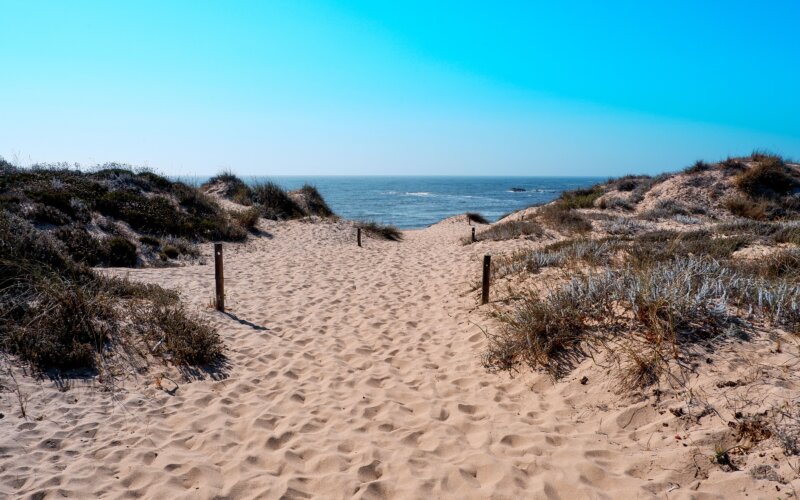
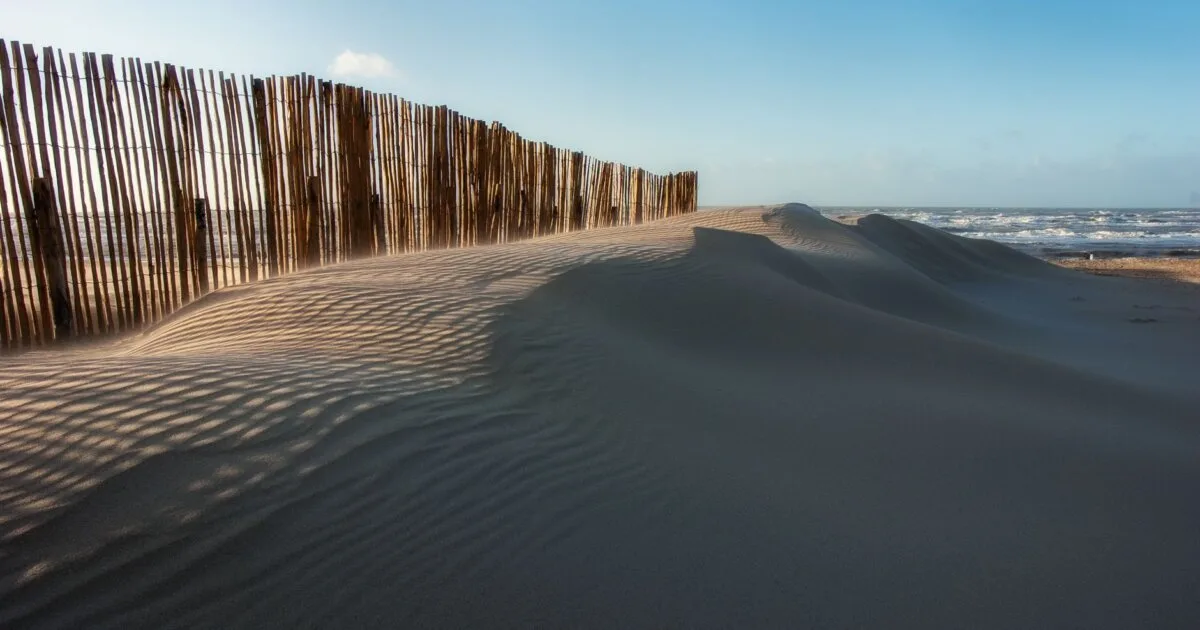
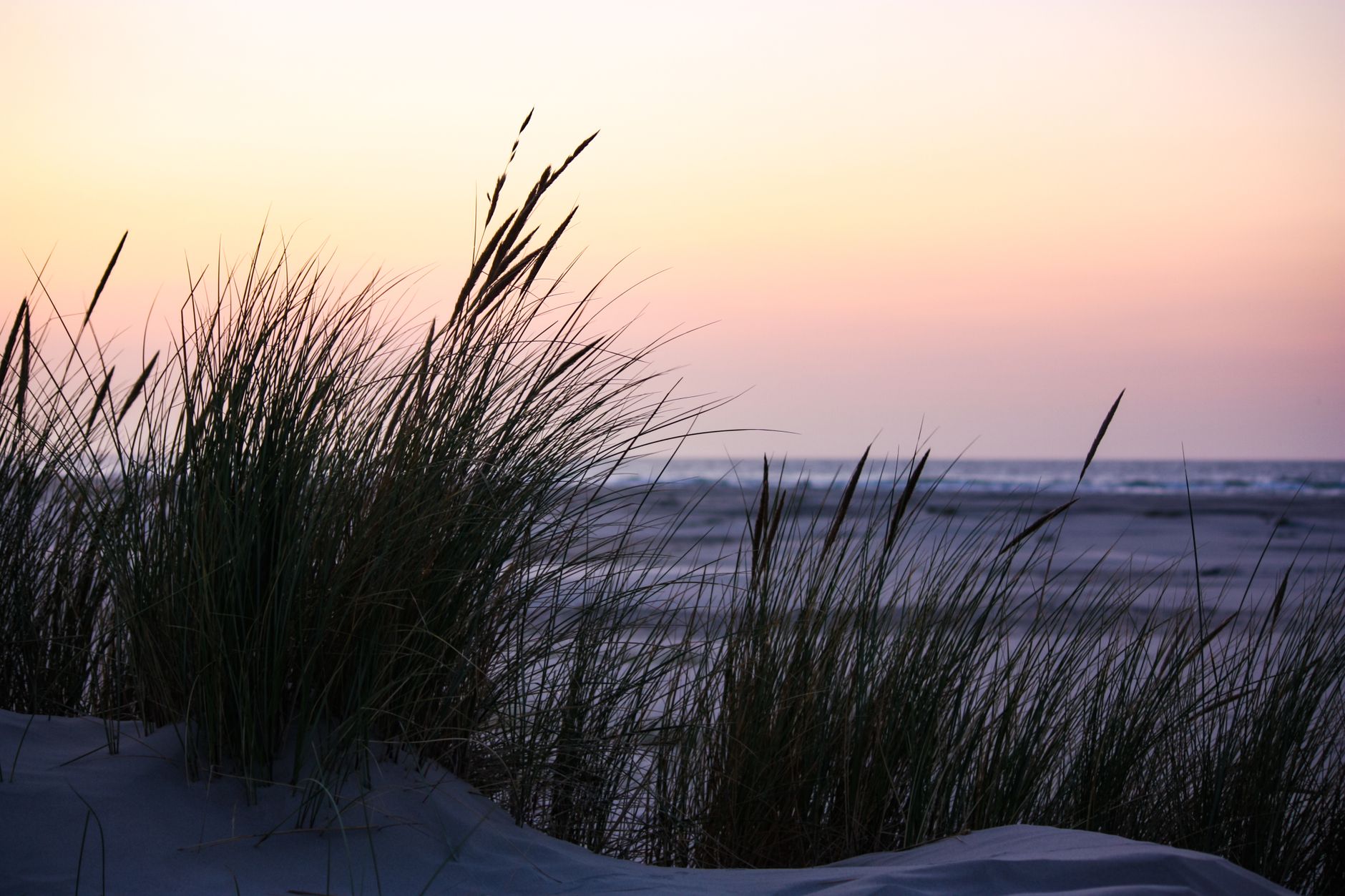
The dunes are the cruising scene. The dune ridge behind the gay section of the beach is where the actual activity concentrates, and it’s a genuinely good cruising landscape: hollows and ridges that provide natural seclusion without isolating you entirely, sand paths that branch in ways that make movement and encounter easy, and the kind of vegetation that gives cover without being oppressive. It’s not dark. It’s midday or mid-afternoon and the light is often excellent. That’s unusual for cruising and worth remarking on.
What Zandvoort does that almost no other cruising space manages is outdoor, sunlit, unhurried. Most cruising operates in low light or at night by necessity. The dune cruising here happens when the sun is high, which changes the quality of the whole thing. There’s nothing covert about it. Men walk into the dunes from the beach carrying the same ease they have lying on the sand ten metres away.
Time of day: The beach is active from late morning through late afternoon on warm days. The dunes tend to peak in the early-to-mid afternoon, roughly 1pm to 4pm, when sun-warmed bodies and general beach languor produce the right conditions. Early morning is quiet. After around 6pm, as the sea wind picks up and the temperature drops, things wind down.
The crowd at Zandvoort is a particular mix. Local Dutch gay men make up a solid proportion, especially midweek. Amsterdam day-trippers, many of them tourists staying in the city, arrive on weekend trains and fill out the numbers. The international character is more visible here than at De Oeverlanden, which tends to draw almost exclusively locals.
Practical things to bring: sunscreen, water, something to lie on, and minimal valuables. Phone and wallet in a bag. Most people leave bags at the beach while moving into the dunes, use your judgment and don’t leave anything irreplaceable unattended.
Activity pattern: The beach social scene builds from late morning, peaks around midday and into the afternoon. Dune cruising activity starts later, it rarely gets going before 11am, and peaks roughly between 1pm and 4pm when sun-warmed conditions and beach languor combine. The two scenes overlap most fully in that 1pm to 4pm window, which is the sweet spot. By 6pm both have wound down significantly as the sea wind arrives and temperatures drop. This is an editorial assessment based on repeated visits across the 2025 and 2026 seasons (Loaded Edit).
Citation Capsule: Zandvoort’s gay and naturist beach section concentrates in the southern stretch of the coastline roughly beyond the Paal 70 marker. The cruising scene operates primarily in the dune ridge behind this section of beach, typically peaking during early-to-mid afternoon on warm days in the June,August window.
Getting to Zandvoort from Amsterdam
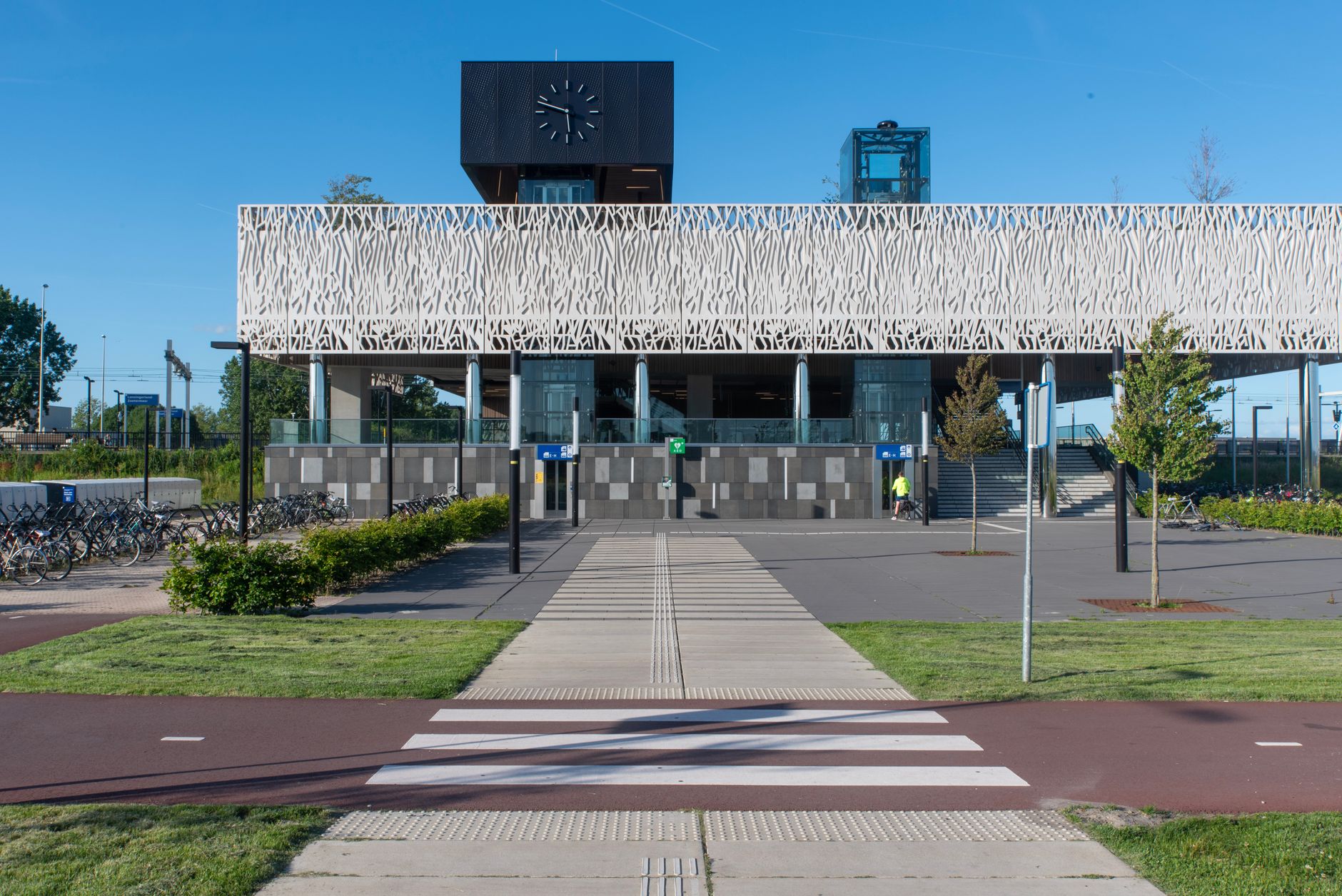
This is, genuinely, one of the easiest day-trip logistics in the Netherlands. NS Sprinter services run directly from Amsterdam Centraal to Zandvoort aan Zee. The journey is approximately 30,35 minutes, no transfers required. Trains run frequently: roughly every 30 minutes at standard times, and during summer weekends, NS sometimes increases frequency on this route to handle demand (NS Reisplanner, 2026).
From Zandvoort station, the beach is a 10,15 minute walk due west. You cross the main shopping street of the small town and follow the smell of the sea. It’s a straight line.
The return trip deserves a mention: last trains from Zandvoort aan Zee to Amsterdam Centraal run until around midnight in summer, but check NS before you go, especially on summer Sundays. Missing the last comfortable train back is the specific Zandvoort annoyance to avoid.
OV-chipkaart or NS app works for the journey. The ticket is budget-friendly: under €10 return from Amsterdam in 2026. If you’re visiting Amsterdam and wondering about the broader outdoor options, the Amsterdam cruising seasonal guide breaks down what’s worth doing and when across the full year.
Zandvoort vs. De Oeverlanden: Two Different Things
Anyone building their understanding of outdoor gay options near Amsterdam will run into both names quickly. They serve different purposes and attract different energy, and comparing them as if one replaces the other misses the point.
De Oeverlanden is the city’s own. Twenty-five minutes by bike from the centre, formally designated as a tolerated cruising zone by Amsterdam municipality in 2008. It’s woven into the rhythm of the city and the people who use it. An evening, a bike ride, a walk through the trees. The crowd is overwhelmingly local. The energy is urban and unhurried and slightly anonymous in the way Amsterdam outdoors always is.
Zandvoort is the summer day. You make a plan. You get on a train. You spend four hours on a beach with the North Sea in front of you and dunes behind you and nobody checking their watch. The crowd is more mixed, the energy more holiday-adjacent, the whole thing more expansive.
In our assessment of both sites across multiple visits in 2025 and 2026, Zandvoort consistently attracted a younger and more international crowd than De Oeverlanden. First-time visitors to Amsterdam’s outdoor scene appear more likely to start with Zandvoort for its accessibility by public transport and the lower navigational complexity of beach geography versus park paths. Regulars tend to know both and choose based on weather, time available, and mood.
| De Oeverlanden | Zandvoort | |
|---|---|---|
| Travel from Amsterdam Centraal | 25 min by bike / 35 min by transit | 30,35 min by train |
| Transport mode | Bicycle or bus | NS Sprinter direct |
| Best season | Year-round (spring,autumn peak) | Late June,August |
| Crowd composition | Predominantly local, Dutch | Mixed: local + international |
| Scene type | Wooded park, evening cruising | Beach + dune, daytime cruising |
| Typical use case | Evening after work or on a bike ride | Summer day trip |
They complement each other. If you’re in Amsterdam long enough to do both, do both. If you have one afternoon and it’s July and it’s 27 degrees, take the train. If it’s a warm evening in September and you have a bike, De Oeverlanden. The full De Oeverlanden guide on Loaded Edit covers that side in more detail.
When to Go: and When Not To Bother
Zandvoort is a summer proposition. Beach cruising requires sun, warmth, and the particular social chemistry that happens when men take their clothes off in daylight and have nowhere to be. That window at Zandvoort runs from roughly late June through August, with shoulder periods on either side.
Late June through August is peak season. Weekends are the busiest; a Saturday in July is the fullest the beach gets. However, weekday afternoons in July and August often deliver the best overall experience: active enough to have real social energy, uncrowded enough to move through the dunes without feeling like a holiday queue.
The Dutch take their beach seriously and their beach days on weekdays are culturally legitimate in summer. A Wednesday afternoon in August at Zandvoort can outperform a Sunday because the weekend crowd skews younger and more performatively social. Midweek regulars are more relaxed and have settled into the space properly.
May and early June can work with the right weather. Two consecutive days above 22 degrees in late May and the beach will have a modest but genuine crowd. It’s worth checking the forecast rather than the calendar.
September holds better than newcomers expect. The tourist volume drops significantly after the first week of September, Dutch schools return, and the remaining crowd is almost entirely local. A genuinely warm September Sunday at Zandvoort is one of the better beach days of the year.
When not to go: anything below about 20 degrees, overcast without any sun warmth, or the North Sea wind at full strength. Wind is actually the defining variable at Zandvoort more than temperature alone, a still, cloudy day at 22 degrees beats a sunny but windy one in terms of cruising scene activity. Check the KNMI forecast, not just the temperature.
Citation Capsule: Zandvoort’s active outdoor gay beach season runs approximately late June through August, with viable shoulder periods in late May and September conditional on temperature and wind. Dutch meteorological data shows the North Sea coast near Zandvoort averages 7,8 hours of sunshine per day in July, with mean temperatures of 20,22°C (KNMI Klimaatatlas, 2025).
Frequently Asked Questions
Is Zandvoort’s gay beach actually a cruising spot or just a nude beach?
Both, and the two overlap rather than conflict. The naturist beach in the southern section of Zandvoort attracts gay men specifically because the combination of nudity, social ease, and open outdoor space creates exactly the right context for it. Nobody is staging anything or pretending otherwise. The beach is the social layer, you arrive, you get comfortable, you read, you swim if you’re brave enough. The cruising happens in the dunes directly behind the beach, not on the sand itself, which gives the whole thing a natural division between the two registers. Men move between them easily. What makes Zandvoort different from most cruising spots is that it operates in daylight, in open terrain, with the beach and other people nearby. There’s no performance of plausible deniability, no need to pretend you’ve wandered into the dunes by accident. That transparency is most of what makes the place work as well as it does.
Where exactly is the gay section of Zandvoort beach?
The gay and naturist overlap sits in the southern stretch of the beach, roughly from the Paal 70 area onwards. Walk south from the main beach club area, you’ll pass through the numbered poles, the beach clubs will become sparser, the towels more spread out, and the clothing increasingly optional. When you notice the demographic has shifted and swimwear has become a personal choice rather than an expectation, you’re in roughly the right zone. The Paal 70 marker is a useful reference point but not a precise boundary. The area expands in both directions depending on how busy the day is. On a full Saturday in July the active zone extends further south; on a quieter weekday it concentrates closer to the 70 marker. Give yourself time to walk and read the beach rather than looking for a sign. There isn’t one, and that’s fine.
How long is the journey from Amsterdam to Zandvoort?
The NS Sprinter from Amsterdam Centraal to Zandvoort aan Zee takes 30 to 35 minutes and runs without transfers. It’s one of the more straightforward public transport connections in the Netherlands. Trains run roughly every 30 minutes at standard times, with NS sometimes increasing frequency on summer weekends when demand on this route is high. From the station at Zandvoort the beach is a 10 to 15 minute walk due west, you cross the town’s main shopping street and follow the smell and sound of the sea. It is a completely straight line. The return deserves a note: last trains back to Amsterdam Centraal run until around midnight in summer, but always check the NS Reisplanner before you go, particularly on summer Sundays when timing can shift. The ticket costs under €10 return from Amsterdam in 2026. You can use an OV-chipkaart or pay through the NS app.
Is the dune cruising at Zandvoort safe?
Zandvoort’s dune cruising has a meaningfully different risk profile from wooded urban park cruising. It happens in daylight, in open coastal terrain, with the beach and the social activity on the sand close behind you. The isolated-after-dark dynamic that creates genuine risk at sites like De Oeverlanden simply isn’t structurally present at a coastal beach that’s busy from late morning through late afternoon. Standard awareness still applies: don’t bring irreplaceable valuables into the dunes, be sensible about your surroundings, and know where your bag is. Most people leave bags on the beach while they move into the dunes, use judgment about what you leave and don’t leave anything you’d seriously miss. The beach itself has enough people on warm days that the general social context is straightforward. The dunes are relatively open terrain, not dense woodland. That makes a real difference to the overall safety picture.
What’s the difference between going to Zandvoort and going to De Oeverlanden?
They’re genuinely different propositions and it’s worth understanding each on its own terms rather than treating them as interchangeable options. Zandvoort is a summer day trip: you make a plan, get on a train, spend several hours at the beach with the North Sea in front of you and dunes behind you. The crowd is more mixed, includes a visible international element, and the whole thing has a holiday quality to it. De Oeverlanden is the city’s own: 25 minutes by bike from the centre, formally designated as a tolerated cruising zone by Amsterdam municipality since 2008, used almost exclusively by locals, woven into the rhythm of the city in a way that feels easy and unhurried. A warm evening, a bike ride, a walk through the trees. Both are worth knowing. If you have one afternoon in July and it’s warm and sunny, take the train to Zandvoort. If it’s a mild September evening and you have a bike, De Oeverlanden is the move.
There’s something particular about the pleasures Zandvoort offers that a dark room or a park at night simply doesn’t: it’s all in front of you. The sun on the water. The bodies on the beach. The dunes warm from a full afternoon of light. The specific satisfaction of a day that was exactly what it was supposed to be, with nothing disguised or apologised for, before you get back on the train and let Amsterdam return around you. Some days that’s exactly what you need, and the train runs every half hour.