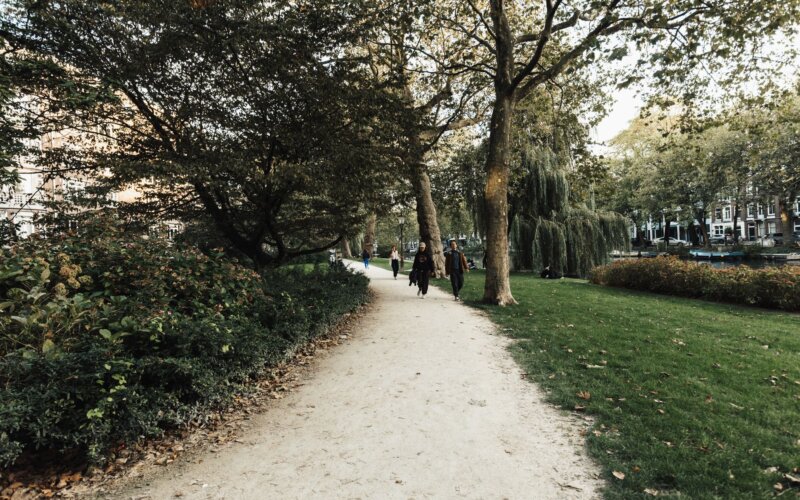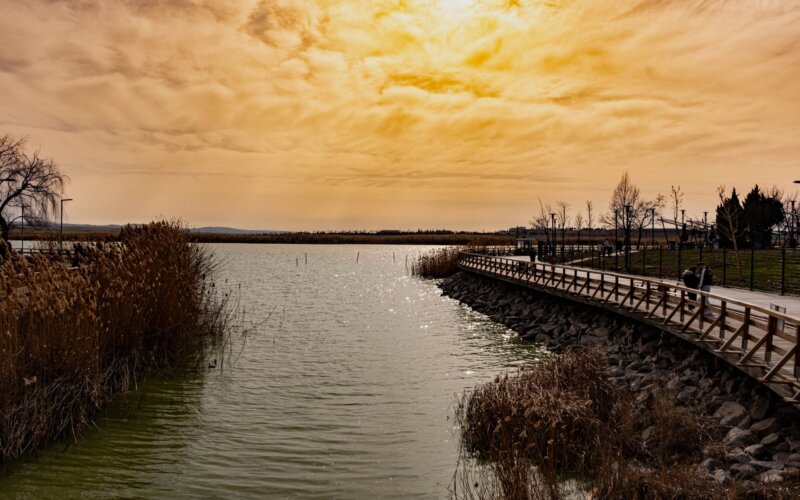
There’s a moment, maybe ten minutes into the wooded paths east of the main beach, when the city drops away. The water is still visible through the reeds. The light in June arrives at an angle that turns everything amber. You become aware that there are other men in the trees, moving, pausing, watching, and the atmosphere shifts into something specific. This is nieuwe meer amsterdam gay cruising at its fullest expression: unhurried, real, and entirely itself.
I’ve lived in Amsterdam my whole life. De Oeverlanden is not a destination I read about. It’s a place I’ve cycled to at 6pm on weekday evenings for longer than I’m going to admit in print. What follows is what I actually know about it, the geography, the rhythm, the crowd, the season, and what the place actually feels like to be in. Not a listicle. Not a tourist brief. Field notes.
Key Takeaways
- De Oeverlanden is Amsterdam’s officially designated outdoor gay cruising zone (cruisegebied), recognised since 2008 (Gemeenteblad Amsterdam, 2008)
- The scene concentrates along wooded paths east of the main beach, peaking late afternoon through evening in warm months
- The crowd here skews local, not the tourist-heavy dynamic of Vondelpark
- Arrive by bike from the city centre: roughly 25 minutes, and it’s the standard mode
- The May 2026 safety incidents are real and worth knowing about; a dedicated piece covers them properly
What Nieuwe Meer and De Oeverlanden Actually Are
Amsterdam formally designated De Oeverlanden as a tolerated cruising zone in 2008, making it one of the only formally recognised outdoor gay cruising areas in Europe (Gemeenteblad Amsterdam, 2008). The policy didn’t create the scene; it acknowledged something that had been operating for decades and chose pragmatism over performance.
The geography is specific and worth understanding before you go. Nieuwe Meer is a large recreational lake on the southwest edge of Amsterdam, roughly two kilometres long, with a beach and recreational area on its west bank. De Oeverlanden is the nature reserve that runs along that western shoreline: wooded paths, reed beds, managed green space, and the kind of landscape that makes outdoor sex feel like the most natural thing in the world.
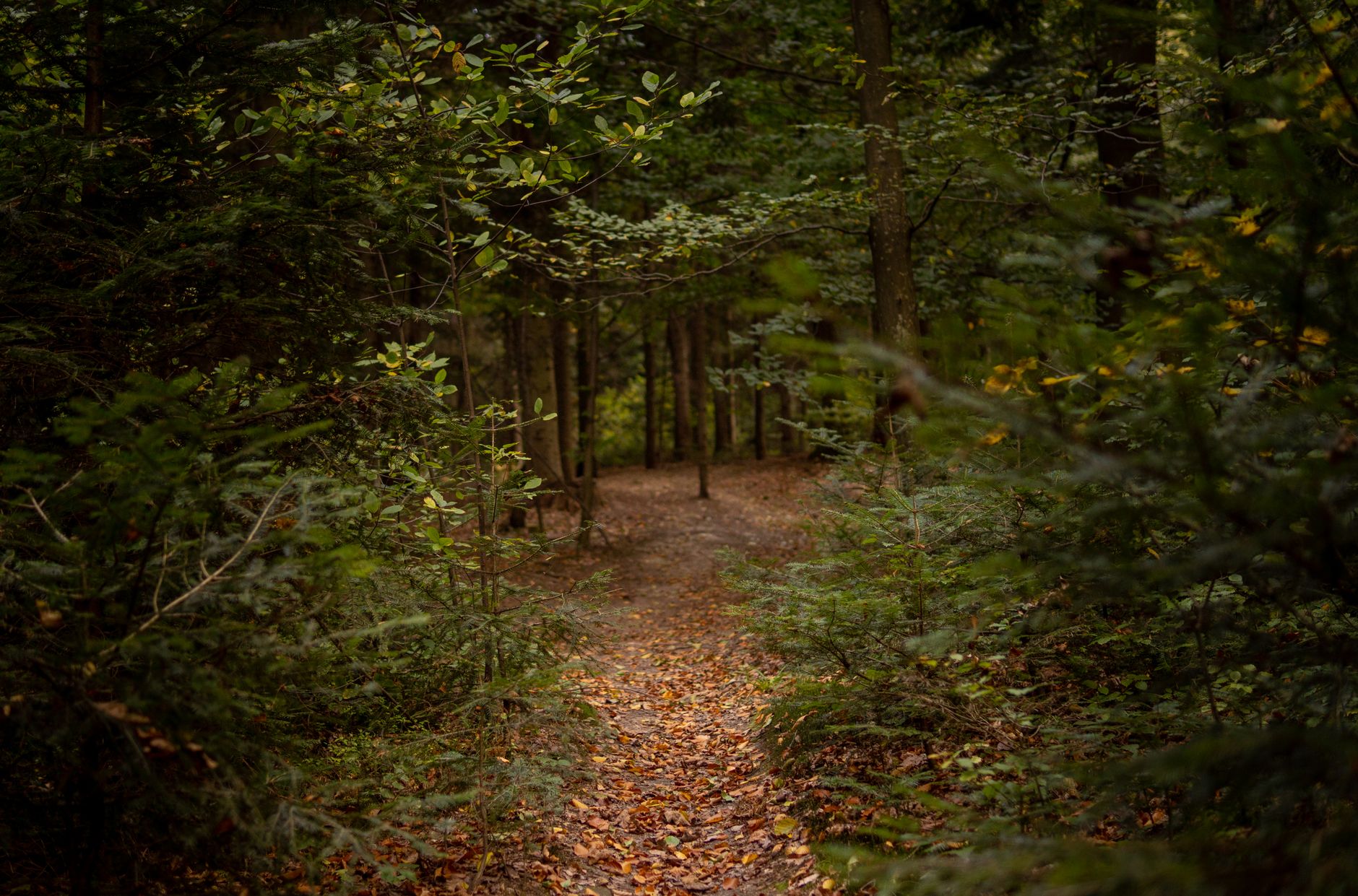
The lake itself is visible from the paths. You’re never entirely out of sight of open water. That combination of enclosure and openness is part of what makes the place work, you’re in the trees but you’re not isolated from the world. On a clear evening the Amsterdam skyline sits across the water to the north, close enough to remind you this is an edge-of-city place, not the middle of nowhere.
You already know where to go. Now get the full edit.
Every week. No noise.
No spam. Unsubscribe anytime.
By subscribing you agree to our Privacy Policy.
Compare this to Vondelpark. Vondelpark is famous, central, and shared with half of Amsterdam on a warm day: dog walkers, tourists on hired bikes, families with strollers, and yes, men cruising in the wooded southern section after dark. The dynamic at Vondelpark is self-conscious in a way De Oeverlanden simply isn’t. At Vondelpark, men are always aware they’re sharing space with people who are not there for the same purpose. At De Oeverlanden, the recreational beach side draws swimmers and sunbathers, but the wooded paths on the eastern side of the reserve are where everyone knows exactly why they’re present. That clarity changes the energy entirely.
The first time I went to De Oeverlanden as an adult, I’d heard about it for years before I actually went, what struck me wasn’t the sex. It was how ordinary it felt. Men moving through a wooded landscape on a summer evening, unhurried, at ease. There was none of the furtive quality I’d expected. The place had been doing this long enough to have developed its own rhythm.
Citation Capsule: Amsterdam formally recognised De Oeverlanden, on the southwest shore of the Nieuwe Meer lake, as a tolerated outdoor cruising zone in 2008 following a policy process led by GGD Amsterdam and community organisations. The designation acknowledges decades of existing use and places the site within a public health harm-reduction framework (Gemeenteblad Amsterdam, 2008).
The Scene, What You’ll Find There
De Oeverlanden operates on a time-based rhythm that is consistent enough across seasons that knowing it is genuinely useful. The morning hours bring dog walkers, cyclists, and recreational users on the paths near the water. It’s a pleasant nature reserve in the morning and it functions as one. The transition starts in the early afternoon, when recreational swimmers and sunbathers establish themselves on the beach side while the first men who are there specifically for cruising begin appearing on the wooded paths.
Late afternoon is the shift. From around 4pm on warm days, the density of men on the eastern paths increases. By 6pm in summer the scene is fully active. The light is still good, the temperature has peaked, and the evening stretches in a way that feels unhurried. This window, late afternoon through early evening, is the best time, in my experience. Still visible, still warm, and the crowd is at its best.
Based on years of observation across seasons, De Oeverlanden’s peak footfall for cruising runs roughly 5pm to 9pm on warm weekday evenings, not weekends, which draw more recreational visitors to the beach side and shift the overall dynamic. A quiet Wednesday in July at 6pm outperforms a Saturday afternoon on almost every measure.
The crowd here is noticeably local. This is not where tourists wander after reading a blog post and taking tram 2 on impulse. Getting here requires a degree of intent: you need to know it exists, know which part of the reserve you’re heading to, and either have a bike or know the route from the tram stop. That friction filters the crowd. The men at De Oeverlanden are overwhelmingly Amsterdam residents.
Age range is wide. I’ve seen men in their early twenties and men who are clearly in their sixties sharing the same paths in a way that feels easy rather than hierarchical. The scene here has continuity. Some of the men on those paths have been coming for twenty years and carry themselves accordingly.
What makes De Oeverlanden function well as a cruising space isn’t just the official designation or the geography. It’s the social infrastructure of long-term regulars who understand the space’s rhythms and maintain its informal norms. New arrivals get calibrated by the ambient behaviour of men who know the place.
The physical geography of the cruising: the wooded paths east of the main recreational beach are the primary area. They run for several hundred metres through mixed woodland, with sight lines that open and close depending on the path. Closer to the water and the main paths is where most activity concentrates during peak hours. The deeper sections are quieter, less populated, and carry different risk considerations.
A note before we go further: May 2026 brought a documented pattern of robberies and physical assaults targeting men in De Oeverlanden’s more isolated sections after dark. The article on amsterdam cruising safety covers them in full editorial depth. Practical awareness matters here. The broader scene is not categorically unsafe, but knowing the terrain, staying on more populated paths, and not going deep into isolated sections alone at night changes the risk profile significantly.
Nieuwe Meer Gay Cruising, Practical Notes
Getting there by bike from the city centre takes roughly 25 minutes. The route is well-signed through Amsterdam’s cycling infrastructure. Every man at De Oeverlanden has a bike. On a busy summer evening, hundreds of bikes line the access path near the entrance to the reserve.
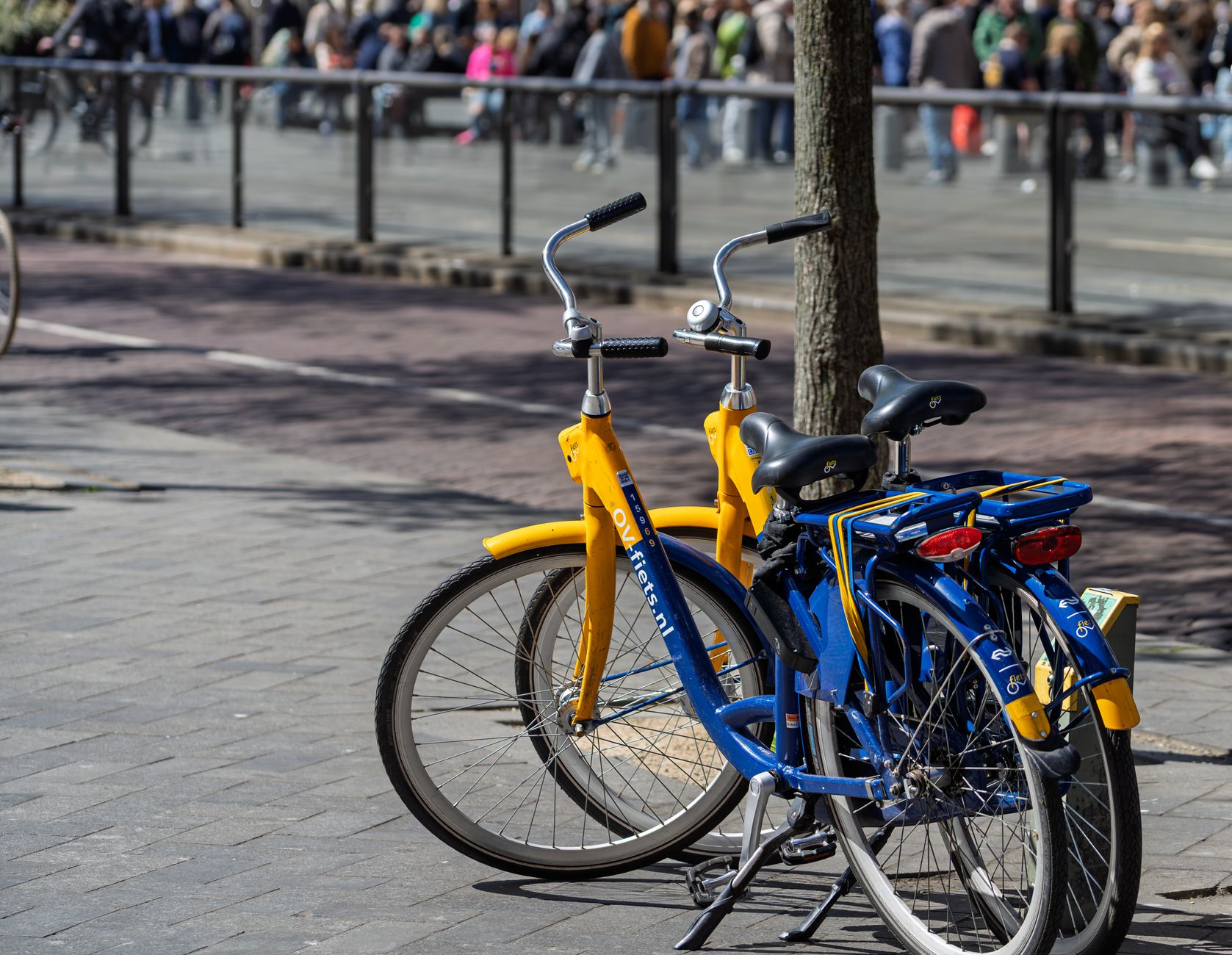
By public transport: tram 2 to Amstelveenseweg, then a bike from OV-fiets rental (any Dutch OV-chipkaart works) for the remaining distance. Bus 62 from Amsterdam Centraal goes to Strandvlakte, putting you at the recreational beach area directly.
What to bring: minimal. One card, enough cash for transport home, your phone in a front pocket. Do not carry your laptop, your passport, your entire wallet. The reserve has no facilities other than basic amenities at the beach side.
The seasonal rhythm is worth understanding clearly. Outdoor season at De Oeverlanden runs May through September. May and June are often the best months: temperatures are warm, the evenings are long, and the peak summer tourist volume hasn’t arrived. July and August are the most active but also the most variable. September holds on longer than newcomers expect.
Know the difference between the beach side and the wooded paths. The recreational beach area serves swimmers, sunbathers, and families in summer. The cruising happens on the wooded paths that run east and north from the main beach. If you arrive at the beach and don’t understand why nothing is happening, you’ve stopped in the wrong part of the reserve.
Zandvoort vs De Oeverlanden: Two Different Things
De Oeverlanden is the local favourite. It’s where Amsterdam gay men go when they want the outdoor scene in their own city, on a regular evening, without making a day of it. Twenty-five minutes by bike. Walk in, read the space, leave when you feel like it. It’s woven into the rhythm of city life.
Zandvoort is the summer day-trip. Thirty minutes by train from Amsterdam Centraal, the gay section of Zandvoort beach runs nude and cruising-adjacent through July and August. You go when you want a full day: train, beach, sun, sea, whatever happens in the dunes, train home. A different proposition. The crowd is younger and more mixed between residents and visitors. The vibe is more holiday, less anonymous encounter.
| Factor | De Oeverlanden | Zandvoort |
|---|---|---|
| Travel Time from Centraal | 25 min by bike | 30 min by train |
| Transport Mode | Bicycle, Bus 62 | NS train direct |
| Active Season | May,September | July,August peak |
| Crowd | Local, 30,50+, regular visitors | Mixed, 25,45, holiday crowd |
| Scene Type | Wooded paths, anonymous, everyday | Beach and dunes, seasonal day-trip |
| Typical Use | After-work or evening visit | Full-day summer excursion |
Source: Loaded Edit editorial assessment
Frequently Asked Questions
Is De Oeverlanden actually a legal cruising zone?
Yes. Amsterdam municipality formally designated De Oeverlanden as a tolerated cruising zone (cruisegebied) in 2008 via the Gemeenteblad Amsterdam. Within formally designated zones, consensual adult sexual activity between men is not actively policed by the city. This was not a loophole or an ambiguity, it was a deliberate policy decision, shaped by decades of pragmatic Dutch approaches to regulating rather than criminalising adult behaviour in outdoor spaces. De Oeverlanden sits alongside Vondelpark as one of only two officially designated outdoor cruising zones in Amsterdam, within a very small global category of formally recognised spaces of this type. What it does not mean: anything goes anywhere in the reserve. The tolerance applies to the wooded paths. Behaviour in the family beach areas is treated differently by park management. Loaded Edit recommends checking current local conditions before visiting.
What time of day is De Oeverlanden most active?
Late afternoon through early evening on warm days, roughly 4pm to 9pm in peak summer months, often extending later on Fridays. The clearest peak sits between the end of the working day and the point where the light starts to fade. Weekday evenings consistently outperform weekends at De Oeverlanden, which distinguishes it from tourist-driven cruising spaces. On weekends the beach side draws more recreational visitors, swimmers, families, cyclists, and while the wooded area is geographically separate, the overall atmosphere shifts. Weather is the clearest indicator: a warm, dry weekday evening in May, June, or September produces the most concentrated scene. Early summer, late May to mid-June, is the sweet spot before peak tourist volume arrives and before the nights shorten. In July and August the activity is highest but the crowd more variable.
Is it safe to go alone?
The majority of visits to De Oeverlanden are completely uneventful. The site has a long-established reputation as a functional and stable cruising ground in Amsterdam. The May 2026 incidents that Loaded Edit covered separately involved men being drawn off established paths into isolated sections of the reserve after dark, a specific pattern that increased risk significantly. The practical implication is clear: stay on the main wooded paths near the water, particularly on early visits. Avoid venturing into isolated sections after the light fades. The further from populated areas, the slower any response would be if something went wrong. Going alone is entirely normal at De Oeverlanden, most men do. The risk is about location and time, not about solo visits. Bring your phone, keep it in a front pocket, and make sure someone broadly knows where you are if arriving alone after dark.
Do I need to cycle to get there?
Cycling is the standard and fastest option: around 25 minutes from the city centre, mostly flat, on well-signposted Amsterdam cycling infrastructure. It is the mode almost all regulars use. If you are not cycling, Bus 62 from Amsterdam Centraal runs to Strandvlakte, dropping you directly at the recreational beach area. From there the wooded paths east are a few minutes’ walk. The site is not walkable from central Amsterdam at any practical distance. Taxis and rideshares can drop you nearby though the reserve entrance is not always accessible by car depending on season. Plan your return as well as your arrival, Bus 62 runs less frequently in the evening, and cycling back is straightforward if you have the option. Check the GVB app for current Bus 62 timing before you go. Hired bikes from Swapfiets or Macbike are a practical solution if you are staying in the city without your own bicycle.
How does De Oeverlanden compare to Vondelpark for cruising?
De Oeverlanden is more active, more committed in intent, and more local in crowd composition than Vondelpark, which is the more commonly cited name but consistently the less functional option for cruising in practice. Vondelpark is the centre of Amsterdam’s public life, tourists, families, runners, cyclists, and the cruising there is woven into a much larger mixed-use dynamic. The scene is intermittent, self-conscious, and heavily dependent on time of day and year. De Oeverlanden, by contrast, has a specific official designation and a geography that separates the wooded paths from the recreational beach. Men who arrive at De Oeverlanden are not ambiguous about why they are there. That shared clarity produces a different atmosphere, the difference between a bar that sometimes functions as a cruising space and one that is simply a cruising bar. If you are in Amsterdam specifically for the outdoor scene, De Oeverlanden is the destination. Vondelpark is an incidental option at best.—
There’s a version of this that could end with something about the beauty of outdoor sex and the freedom of the city. That’s all true, but it’s also a bit beside the point. What keeps drawing men back to a wooded lakeside park on the edge of Amsterdam isn’t really the aesthetics, though the light through those trees at 7pm in June is genuinely something. It’s the specific feeling of being in a place that has decided to be honest about what it is, and where the men who show up have made the same decision about themselves. That combination is rarer than it should be. De Oeverlanden has it. You’ll feel it the moment you step off the main path.