Lisbon doesn’t have a neighbourhood that announces itself as the gay district. There’s no commercial strip with rainbow-branded storefronts and overpriced cocktails in novelty glasses. What it has instead is Príncipe Real: a neighbourhood that happens to be where the gay bars are, where the boutique hotels that gay travellers prefer tend to cluster, and where the overall character of the streets is the kind that makes you feel welcome without making a performance of it.
This is the guide to Príncipe Real as Lisbon’s gay neighbourhood, not as a concept but as a place to actually spend time in.
What Príncipe Real Actually Is
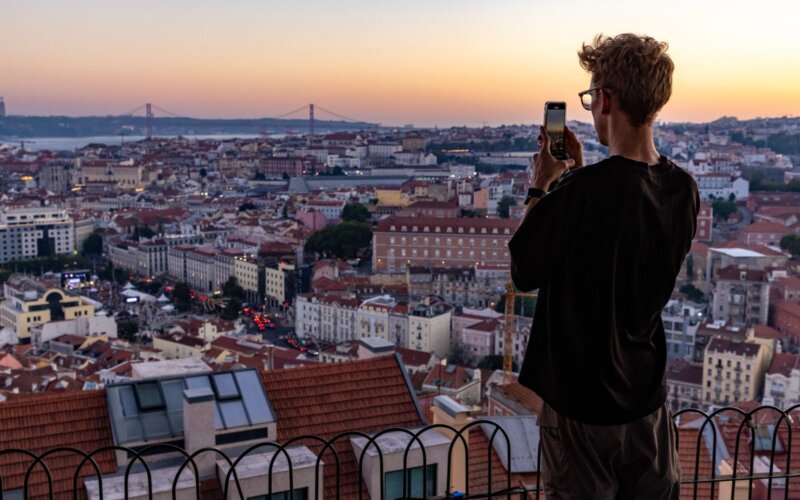
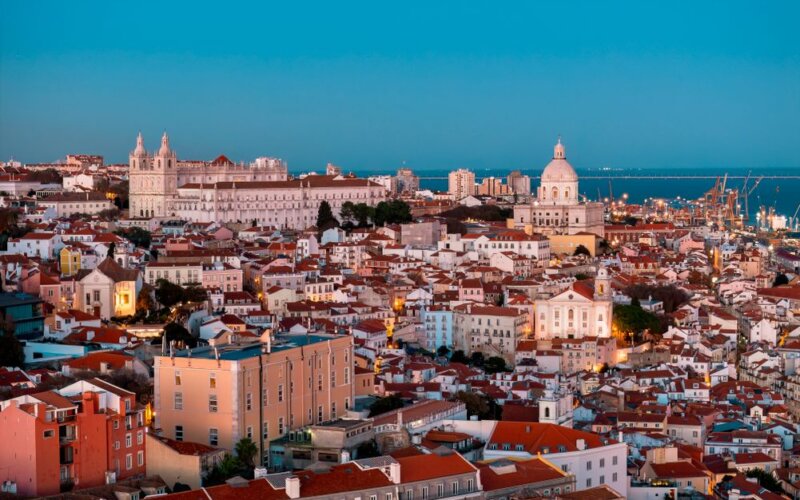
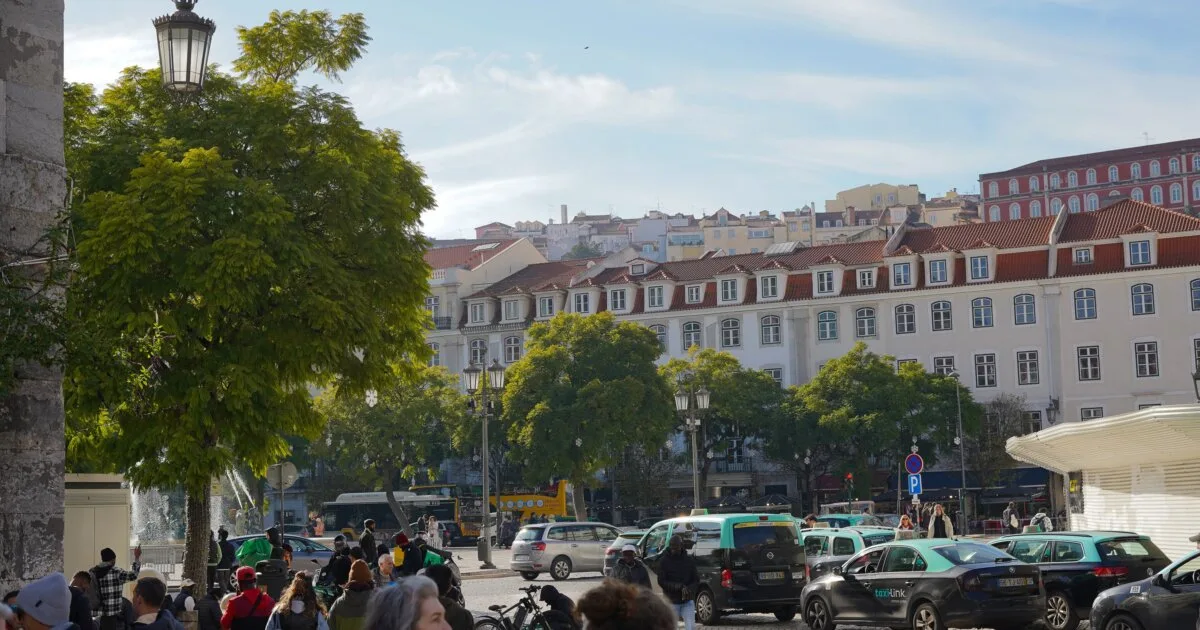
Príncipe Real is a hilltop neighbourhood west of the Baixa (city centre), above Chiado and Bairro Alto but connected to both. It’s mostly residential: nineteenth-century buildings, tree-lined streets, a central garden (the Jardim do Príncipe Real) that functions as the neighbourhood’s living room. The market that fills the garden on Sundays has been running for decades: antiques, vintage clothes, records, ceramics, the kind of objects that don’t exist in the version of the city that’s just a backdrop for tourist photos.
The neighbourhood has been quietly gay-friendly for at least thirty years, without making a policy of it. For the official neighbourhood overview, Visit Lisboa’s neighbourhoods guide provides the geography. For shopping and things to do in the neighbourhood, Time Out Lisbon’s Príncipe Real guide is worth checking. It’s the kind of place where same-sex couples walk without thinking about it, where the bars are full of queer people who also happen to be the neighbourhood’s regulars, where being gay is part of the texture of the place rather than a theme it’s been built around.
For the full context of gay Lisbon as a whole, Príncipe Real is the centre of gravity.
The cities worth going to. The spots worth finding. In your inbox.
Every week. No noise.
No spam. Unsubscribe anytime.
By subscribing you agree to our Privacy Policy.
The Gay Bars of Príncipe Real
Most of the gay bars in Lisbon are within walking distance of Príncipe Real, even if they technically sit in Bairro Alto or Santos. The ones directly in the neighbourhood are smaller and more bar than club, which suits the neighbourhood’s pace.
Finalmente is the headline. Rua da Palmeira 38, the drag shows, the forty-year history. It sits technically on the Bairro Alto side of the neighbourhood boundary but that boundary is a line on a map, not a wall. Walk five minutes from the Jardim do Príncipe Real and you’re there. Bar 106 (Rua de São Marical 106) is the neighbourhood local: smaller, more conversational, the right energy for a Thursday. Agua no Bico, nearby, is smaller still and tends to attract people who know it from word of mouth rather than a guidebook.
The broader neighbourhood has a density of wine bars that attract a queer clientele without being explicitly gay-identified. If you want a drink in a place where you won’t feel out of place but also won’t be in a venue with a theme, the streets around the garden will provide several options. Look for small, independent, and slightly unmarked. That’s the Príncipe Real register.
The Sunday Market
The Mercado de Antiguidades at Jardim do Príncipe Real runs every Sunday morning and is legitimately worth building your schedule around. Not the tourist flea market version, this one has actual antiques alongside the vintage clothing, and the price negotiation is a feature rather than a warning sign. Arrive before noon. Bring cash. Leave with something you didn’t know you needed.
The garden itself is worth the visit independently of the market. Old trees, azulejo benches, a circular space that manages to feel like a secret even when it’s full. It’s the best public garden in Lisbon, and Lisbon has several good ones. On a Sunday morning with coffee from the small café opposite, it’s difficult to imagine wanting to be anywhere else.
Eating and Drinking, More Specifically
Príncipe Real has been colonised by restaurants in the last decade, some excellent and some trading on the neighbourhood’s reputation. The useful filter: the places that don’t have menus in English in the window tend to be better. A Cevicheria on Rua Dom Pedro V is the exception, it’s well-known, has a menu that reads clearly, and is genuinely excellent for ceviche in a city that has no obvious reason to do it well.
For a longer dinner, the streets between the garden and São Bento have a cluster of smaller restaurants that feel like discoveries even if they’re a decade old. Most don’t take reservations. Most are worth waiting for.
Wine: the natural wine movement has found Príncipe Real and is settling in. There are three or four small wine bars within a five-minute walk of the garden where the list is interesting, the room is small, and the staff will actually explain what you’re drinking without making you feel illiterate for asking. This is the context in which the “glass of wine and conversation” that every Lisbon guide promises you actually happens.
Getting There and Around
Príncipe Real sits above Chiado and Bairro Alto. From the Baixa, it’s twenty minutes on foot uphill, which is entirely reasonable in October and less reasonable in July at 3pm. The 28 tram doesn’t run directly through but stops are close, so get off in Chiado and walk up. Taxis and Ubers from anywhere in the city centre take five to ten minutes. Most people walk from Chiado after eating or after a drink at a bar lower on the hill.
The neighbourhood is compact enough that you don’t need transport within it. One end to the other is twenty minutes on foot. The streets are narrow and the hills are real but not extreme. Sensible shoes rather than trainers, in other words, if that’s a consideration.
Where to Stay
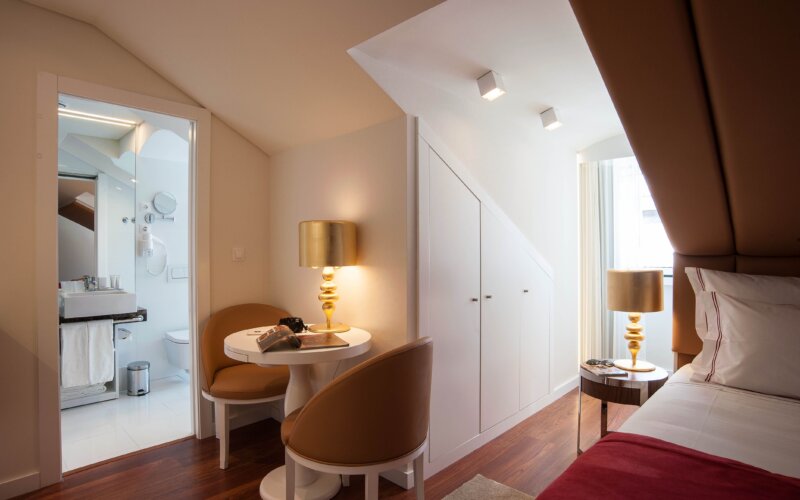
The gay hotels guide to Lisbon covers the accommodation options in detail. The short version: The Lumiares (apartment-style, converted palace, the best option in the neighbourhood) and The Independente Hostel & Suites (mid-range, former embassy building, character) are the two properties worth knowing about. Both put you in or immediately adjacent to Príncipe Real.
Short-let apartments via Misterb&b are well-represented in this neighbourhood and worth considering if you’re staying more than three nights and want your own space. The Príncipe Real address puts you in a functioning residential neighbourhood, which is a different experience from a hotel district.
Frequently Asked Questions: Príncipe Real
Yes, it’s the closest Lisbon has to a defined gay neighbourhood. The gay bars cluster here and in adjacent Bairro Alto, and the overall character of Príncipe Real is queer-friendly, design-conscious, and significantly more interesting than most tourist-facing neighbourhoods.
The Sunday antiques market (Mercado de Antiguidades), the Jardim do Príncipe Real garden, independent wine bars and restaurants, boutique hotels, and proximity to Bairro Alto and Chiado. A neighbourhood for people who want to live in the city rather than tour it.
Príncipe Real sits above Chiado and Bairro Alto. From the Baixa, it’s around 20 minutes on foot uphill, or a short tram or taxi ride. Most people walk up from Chiado after eating or after a drink lower on the hill.
For gay bars: Finalmente (Rua da Palmeira), Bar 106 (Rua de São Marical), and Agua no Bico. For wine: several small, independent natural wine bars near the garden that don’t advertise but are consistently excellent.
Yes, it’s the neighbourhood that puts you closest to the gay bars while giving you a quality of street life that Bairro Alto doesn’t quite match. See the full gay hotels in Lisbon guide for accommodation options here.