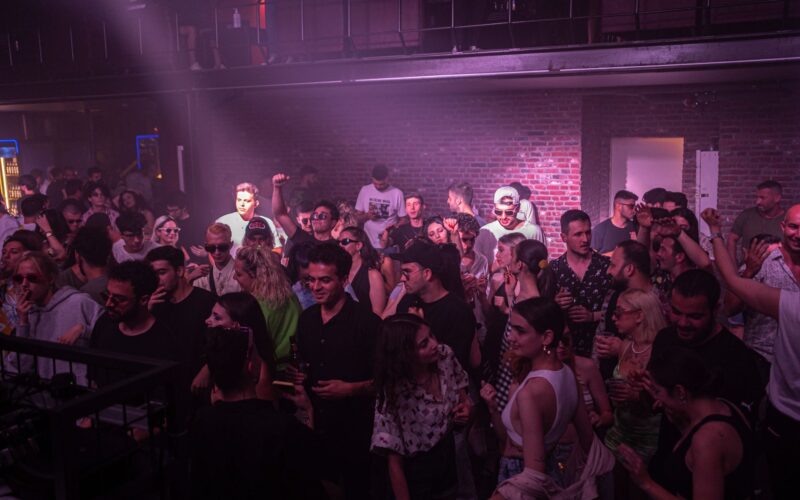
The corner of Reguliersdwarsstraat and Vijzelstraat tells you the shape of what is happening. The bars that remain are fuller than they have ever been. The neighbourhood around them has hollowed out.
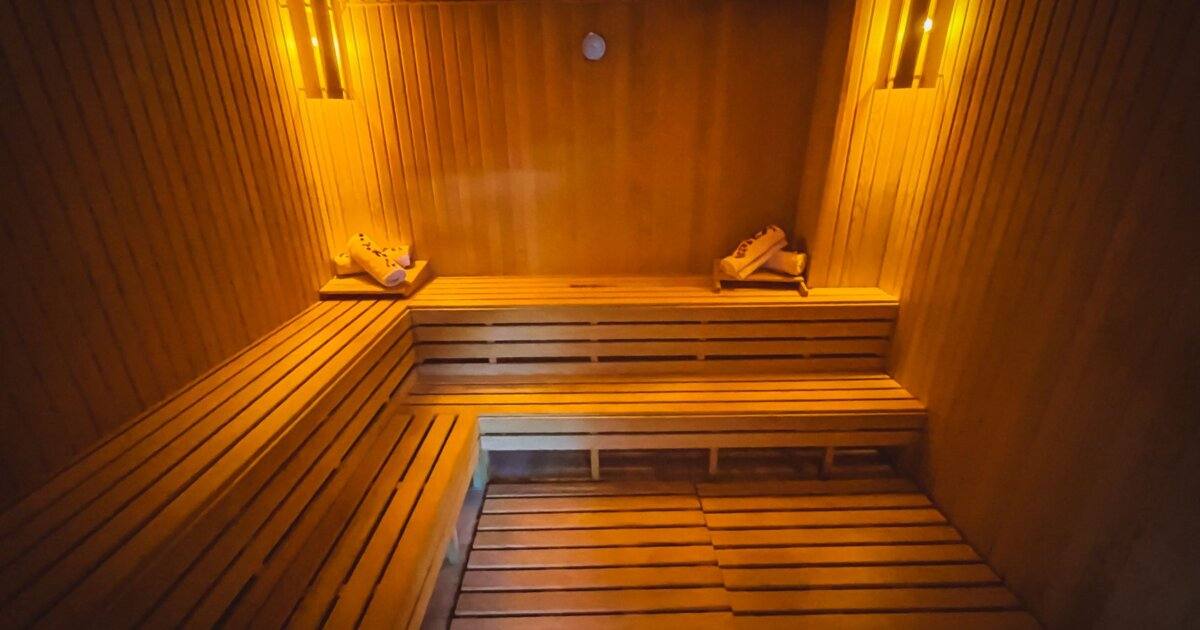
Amsterdam had 61 LGBTQ venues in 1984 at its peak: 42 gay bars, seven lesbian bars, 12 discos, four saunas, six sex clubs. Today, according to Gay Village Amsterdam data, the city has 27: 19 gay bars, three lesbian bars, five queer and cruise clubs, one sauna, one sex club. In forty years, the number roughly halved. Most of the decline happened in a single period: from 40 venues in 2010 to 27 in 2015. Since 2015, the number has been stable. What has not been stable is where those venues are.
This is not a closing-time obituary. But it is worth saying clearly what has changed, and why the WorldPride 2026 moment is more complicated than it looks from the outside.
The queer cultural conversation, before it goes mainstream.
Every week. No noise.
No spam. Unsubscribe anytime.
By subscribing you agree to our Privacy Policy.
The Geographic Shift
The Warmoesstraat and Zeedijk area, historically the leather and dark room corridor, has lost roughly half its venues since 2015. The Amstel riverfront gay bars are gone entirely. The Halvemaansteeg strip has disappeared completely. What grew in compensation was Reguliersdwarsstraat, which now concentrates more of the city gay commercial life than at any previous point, because it is the last street standing.
Amsterdam 54, a bar near Rokin with a long local following, closed and did not reopen, citing bankruptcy. These are not anomalies. They are part of a sustained bleed of venues from every part of the city except the one strip that tourism has preserved. The city ranked 18th in the Global Gay Nightlife Index 2026, which measures venue density and walkability. That number sits alongside the self-description of Amsterdam as Europe gay capital with a kind of quiet indignity.
What Is Driving It
Three things are operating simultaneously. Real estate is the most structural: short-term rentals in the city centre rose approximately 30 percent between 2018 and 2023, overall rents climbed 15 percent, and more than 21,000 homes sit empty, held by investment firms. The venues that relied on small-lease, late-night commercial spaces are directly exposed to these dynamics.
The car-free city centre policy had a specific consequence nobody discusses: it made the area harder to access for older LGBTQ people who relied on taxis and for drag performers traveling with equipment. One of those concrete, specific, underreported decisions that shaped the scene.
And the function of gay bars has partially dispersed. Apps have replaced the bar as the primary meeting place for many gay men. Mainstream social acceptance in Amsterdam means that gay men increasingly do not need specifically gay spaces in the same urgent way they did in the 1980s and 1990s. The city government acknowledges some of this: in 2023, Amsterdam pledged EUR 2.2 million over four years to support night culture and alternative club spaces. Whether it can compensate for the structural pressures is a different question.
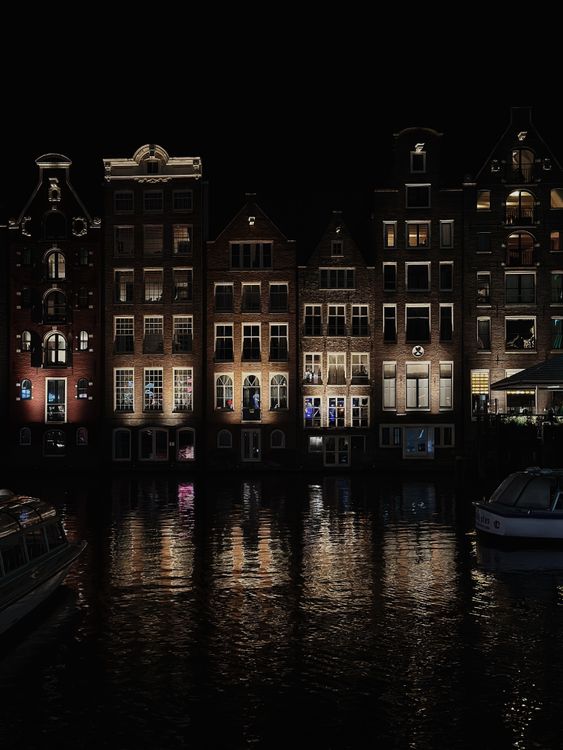
What Has Held
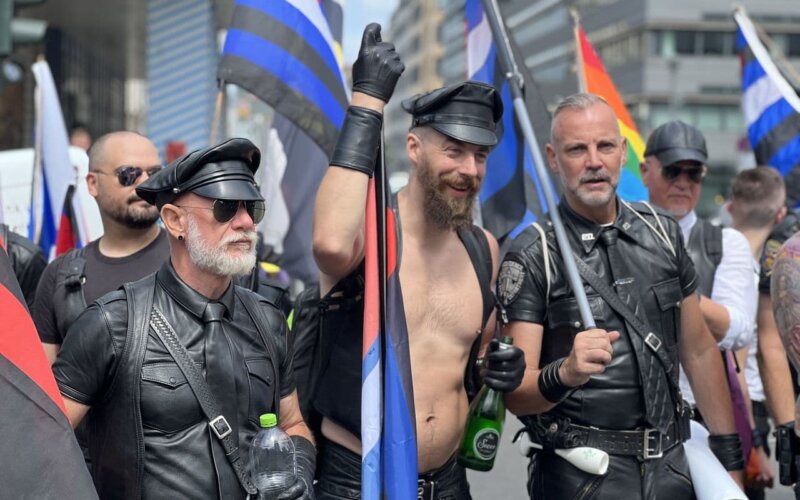
The outdoor cruising geography has been more stable than the commercial scene. De Oeverlanden designation stands. Vondelpark and Oosterpark function as they have for decades. These spaces are not subject to rent dynamics. The leather and fetish community has shown more resilience than the mainstream bar strip. The community organizations, COC Amsterdam in particular, remain active and politically engaged.
For the full outdoor picture, the Amsterdam gay cruising guide covers the geography in detail. For how the outdoor parks sit in relation to the broader city geography, that piece provides the spatial context.
WorldPride 2026
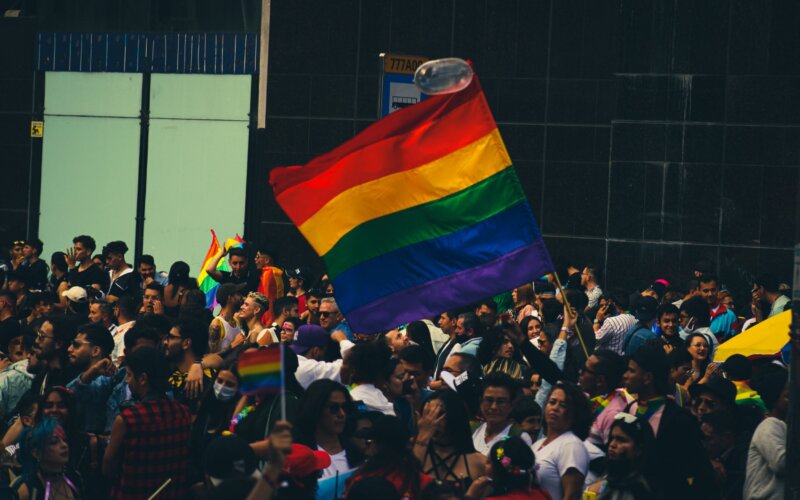
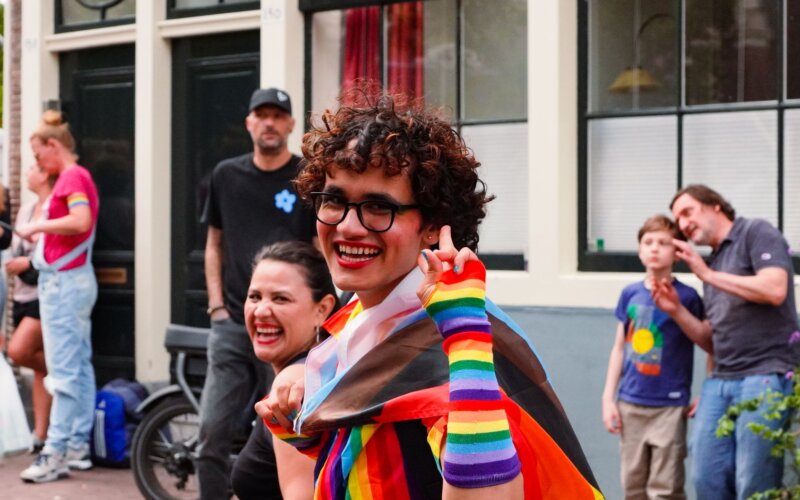
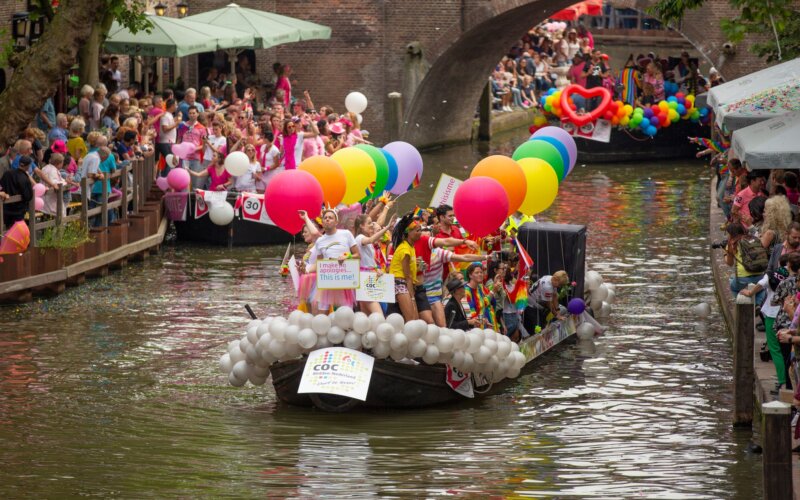
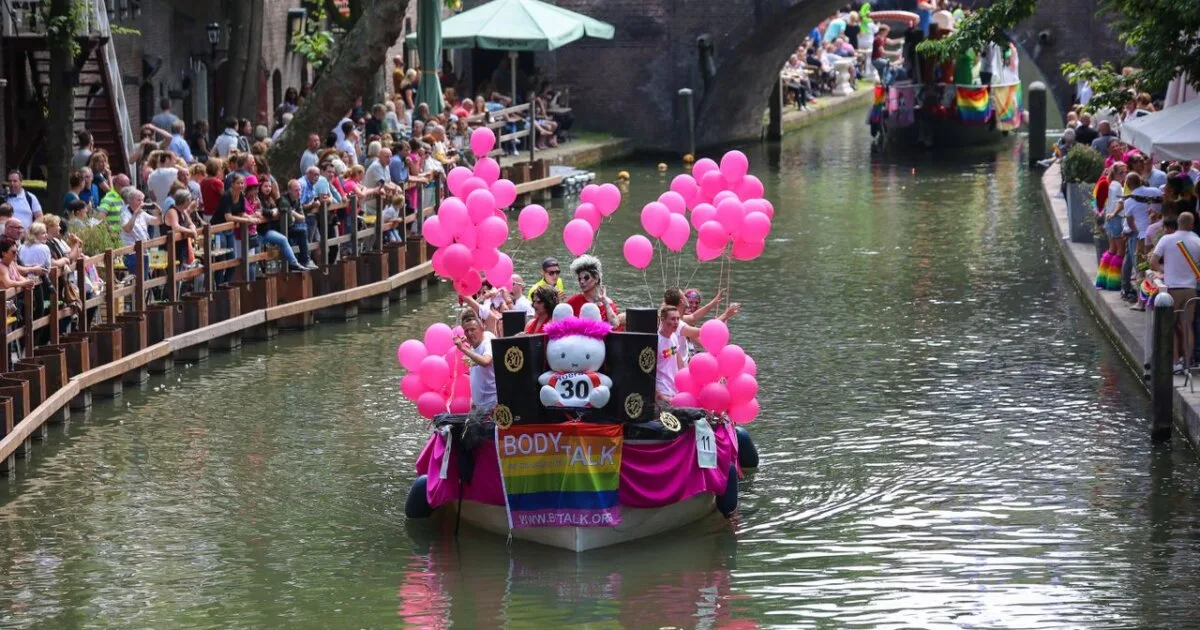
WorldPride Amsterdam runs July 25 through August 8, with the Canal Parade on August 1. The event marks 25 years since the Netherlands became the first country in the world to legalize same-sex marriage in 2001. It will be extraordinary. Half a million visitors are expected. It will accelerate the already-high tourist-to-local ratio on Reguliersdwarsstraat. And when it ends, the 27 venues will still be 27 venues. This is not an argument against WorldPride. It is an argument for seeing it clearly.