Everyone books flights for July 25. The parade, the parties, the million people on Kurfürstendamm, that’s the date everyone knows. Which is exactly why the week before it is the more interesting place to be.
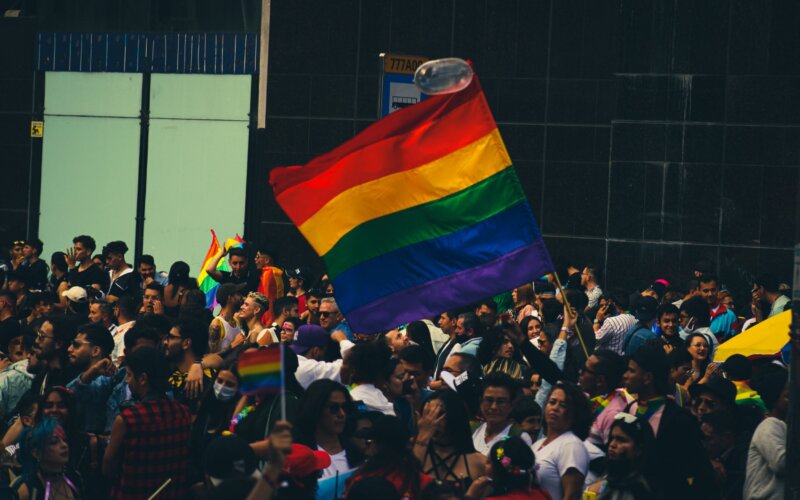
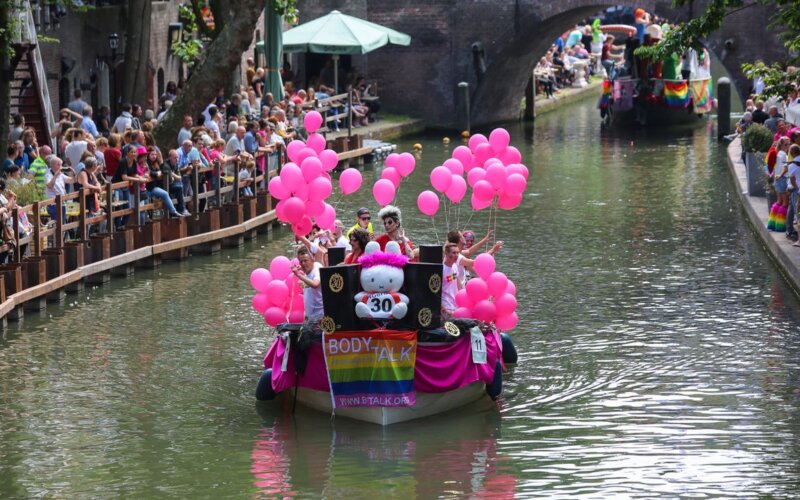
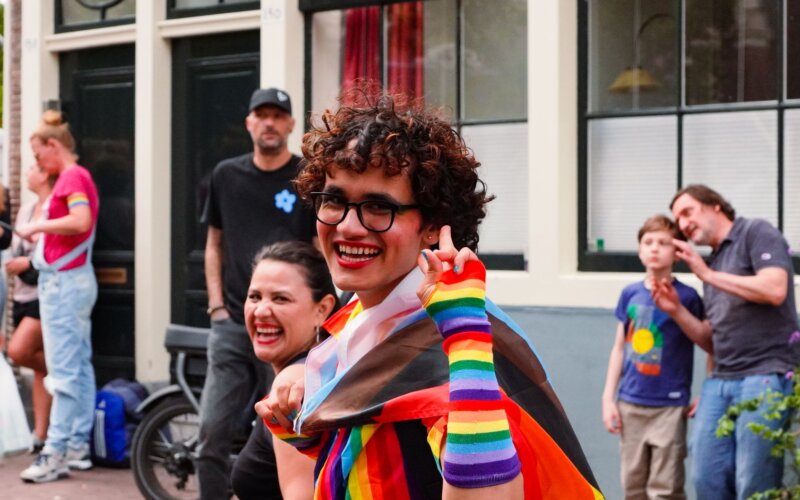
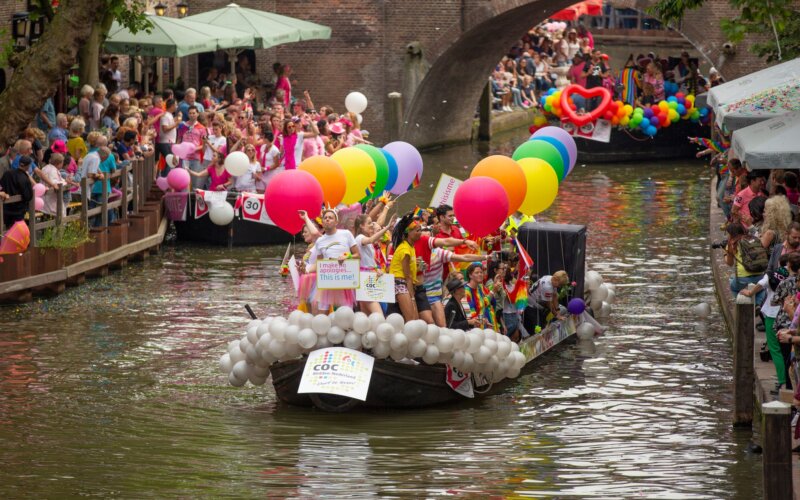
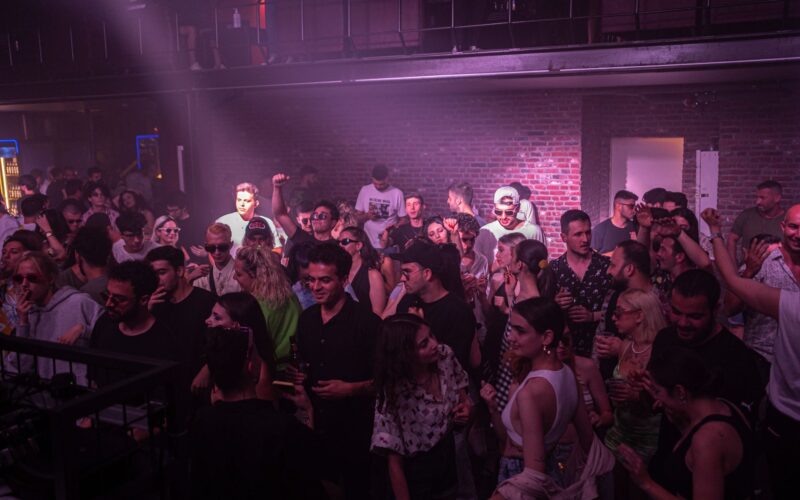
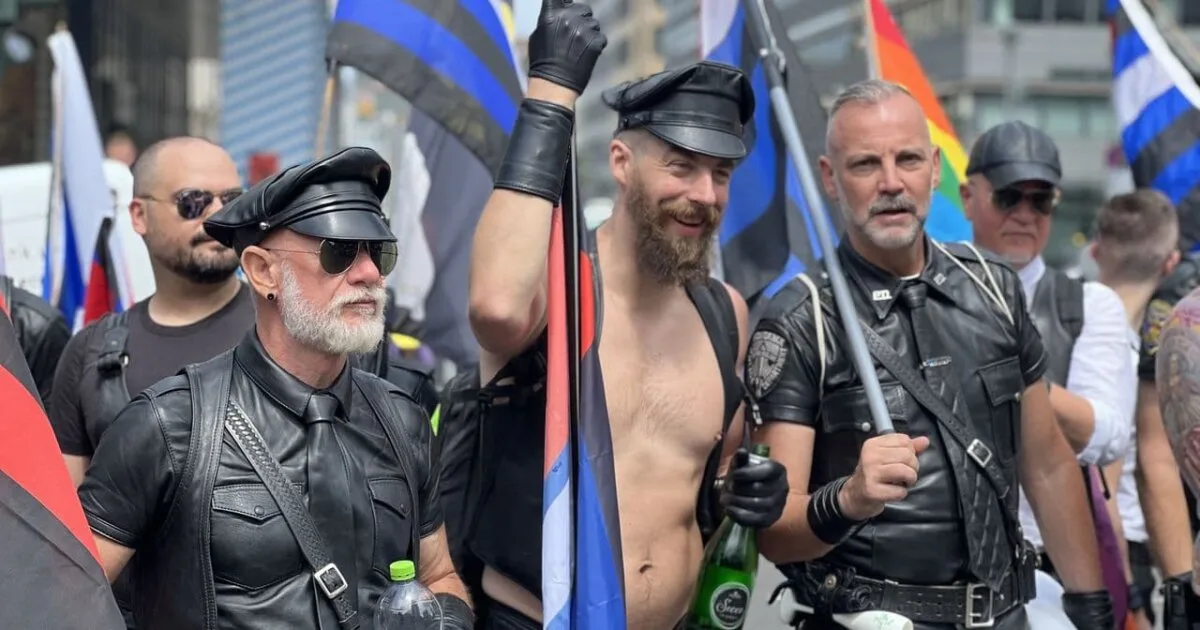
On July 18,19, the neighbourhood of Schöneberg becomes Europe’s largest queer street festival. Not a satellite event of the CSD parade. Not a warm-up act. Its own thing, with its own history, running since 1993, three years before some of the people attending it were born, and large enough that 350,000 visitors over two days doesn’t feel crowded so much as it feels like a city behaving the way a city should.
This is the Lesbian and Gay City Festival. Locals call it Stadtfest. Older locals call it Motzfest, after Motzstrasse, which is where it started. Both names are accurate. Neither fully captures what it is.
Key Takeaways
– Stadtfest Berlin 2026: July 18,19, one week before the main CSD parade
– Europe’s largest queer street festival, running since 1993, ~350,000 visitors over two days (Lesbian and Gay City Festival, Wikipedia, 2026)
– Six stages across ~20,000m² of Schöneberg: Motzstrasse, Eisenacher Strasse, Fuggerstrasse, Kalckreuthstrasse
– Free admission, bar specials all week in the surrounding neighbourhood
What the Stadtfest Actually Is
The Lesbian and Gay City Festival is a street party that takes over a defined section of Schöneberg’s gayborhood, roughly the blocks running from Nollendorfplatz down through Motzstrasse and across the connecting streets. It’s been doing this since 1993. The infrastructure is substantial: six stages, food and drink stalls running the length of the streets, vendor areas, and the bars on the surrounding blocks operating extended hours with CSD-specific programming.
What distinguishes Stadtfest from the parade, beyond the timing, is the neighbourhood relationship. The main CSD parade moves through Schöneberg as part of a larger city-wide route. Stadtfest happens in Schöneberg, for Schöneberg, in a way that makes the gay district feel like a festival space rather than a transit corridor. There’s a difference between watching a parade pass through your neighbourhood and spending two days living inside a block party in it.
The queer cultural conversation, before it goes mainstream.
Every week. No noise.
No spam. Unsubscribe anytime.
By subscribing you agree to our Privacy Policy.
The bars around Nollendorfplatz run CSD specials from the Stadtfest weekend through the following Saturday’s main parade. If you’re in Berlin for the full two weeks, the week between the Stadtfest and the parade is when Berlin’s gay neighbourhood runs at its most consistently social.
The Six Stages: What Goes On Where
The festival sprawls across approximately 20,000 square metres of Schöneberg’s gay district. The specific street allocations shift slightly year to year, but the general layout covers:
Motzstrasse, the historic core of the festival. Music stages, the densest concentration of bars doing outdoor service, the longest run of vendor stalls. This is where you go if you want to be in the thick of it.
Eisenacher Strasse, slightly calmer than Motzstrasse but still stage-equipped. The crowd here tends slightly older and more neighbourhood-regular, which is either more or less what you want depending on your preferences.
Fuggerstrasse, runs north from the main festival area. Worth knowing as an exit route or a place to find space when the central streets get crowded.
Kalckreuthstrasse, connects the southern edges. Food stalls and vendor areas more than stages; useful if you need to eat without fighting a sound system.
The six stages don’t all operate on the same schedule. The Saturday (July 18) tends to run later and louder than the Sunday (July 19). The biggest acts on the main Motzstrasse stage typically appear Saturday evening, which makes Saturday the priority if you have to choose one day.
The Bars: Hafen and the Nollendorfplatz Circuit
The bars around Nollendorfplatz don’t treat Stadtfest weekend as an occasion. They treat it as a baseline, things they do because it’s the neighbourhood’s biggest weekend of the year and because they’ve been doing it for decades.
Hafen on Motzstrasse is the one to know. It runs CSD specials from the Stadtfest weekend through the parade, which means continuous programming for nine days. The crowd shifts through the week, more neighbourhood regulars midweek, more visitors by the Thursday and Friday before the parade. The outdoor seating during Stadtfest is claimed by 11am both days.
Prinzknecht and Blond fill out the Schöneberg bar strip. All three operate extended hours during Stadtfest weekend and through the Pride week that follows. The streets between them, specifically the stretch along Motzstrasse from Nollendorfplatz toward Fuggerstrasse, become a continuous outdoor social space that makes the distinction between “inside the bar” and “on the street” fairly academic.
The bars around Nollendorfplatz during Stadtfest are one of the few places where Berlin’s queer community and its queer tourism industry are visibly in the same room at the same time in a way that feels comfortable rather than tense. The neighbourhood is old enough and secure enough in itself to absorb a lot of visitors without losing what it is.
For the full bar guide beyond Stadtfest weekend, see our piece on gay bars in Berlin during Pride.
Getting There and Getting Around
Stadtfest is centred on Nollendorfplatz, served by U1, U2, U3, and U4. It’s one of the best-connected U-Bahn stations in Berlin and functions as the natural hub for the entire Schöneberg gay district.
The festival itself is walkable, 20,000 square metres sounds large until you’re in it and realise that it covers a few connected blocks rather than a park or fairground. You can walk from one end to the other in 10 minutes without a crowd, or 20 minutes with one.
There’s no entrance fee. The street itself is the venue. Bring cash, not every vendor or stall takes cards, and the card readers at the busier bars often slow down when they’re dealing with a thousand transactions an hour.
The Week Between Stadtfest and the Parade
This is the part that most guides skip. From July 18 until the main CSD Berlin parade on July 25, Schöneberg runs as a continuous Pride neighbourhood. The bars keep their CSD specials going. Events, screenings, panels, community gatherings, fill the diary. The Pride Month section of the CSD Berlin website lists what’s happening each day.
The week between the Stadtfest and the parade is when you can see Berlin’s queer community living in its city rather than performing Pride for visitors. If that distinction matters to you, and it might, plan to arrive for the Stadtfest weekend and stay for the following week rather than arriving on July 24.
Stadtfest vs the CSD Parade: Two Different Experiences
| Stadtfest | CSD Parade | |
|---|---|---|
| Dates | July 18,19 | July 25 |
| Scale | ~350,000 visitors | ~1 million |
| Venue | Schöneberg streets | City-wide route |
| Feel | Neighbourhood festival | Political march + celebration |
| Entry | Free | Free |
| Best for | Bars, community atmosphere | Scale, spectacle, political energy |
Both are worth your time. The Stadtfest is not a smaller version of the parade. It’s a different kind of event, more contained, more neighbourhood-specific, and in some ways the more honest picture of what Schöneberg actually is day to day. For everything else happening during CSD Berlin week, parade route, parties, hotels, and the underground scene, see our Berlin Pride 2026 complete guide and the detailed parade route and viewing guide.
Frequently Asked Questions
When is Stadtfest Berlin 2026?
Saturday July 18 and Sunday July 19, 2026, the weekend immediately before the main CSD Berlin parade on July 25. The festival runs both days across approximately 20,000 square metres of Schöneberg, centred on Nollendorfplatz and spreading along Motzstrasse, Eisenacher Strasse, Fuggerstrasse, and Kalckreuthstrasse. Saturday typically runs later and louder than Sunday, with the biggest acts on the Motzstrasse main stage appearing Saturday evening. If you can only attend one day, Saturday is the priority. The festival officially opens mid-morning on both days, with programming building through the afternoon. The bars on the surrounding streets keep their own extended CSD schedules running through both days.
Is Stadtfest the same as CSD Berlin?
No. Stadtfest, also called Motzfest, is the Lesbian and Gay City Festival, a separate event with its own organisers and history. It has been running in Schöneberg since 1993, three years before some current attendees were born, and predates the incorporation of Berlin Pride week as a formal multi-day event. The Stadtfest does not have official CSD Berlin affiliation, though the two events are complementary and the CSD Berlin organisation includes Stadtfest in its broader Pride Month calendar. Think of it as the neighbourhood festival that precedes and sets the tone for the main event, more local, more contained, and in some respects the more honest picture of what queer Schöneberg actually is.
Where exactly is Stadtfest in Berlin?
The festival occupies roughly 20,000 square metres of central Schöneberg, focused on Nollendorfplatz and the streets radiating from it: Motzstrasse running south and southeast, Eisenacher Strasse running east, Fuggerstrasse running north, and Kalckreuthstrasse connecting the southern edges. The nearest U-Bahn station is Nollendorfplatz, served by U1, U2, U3, and U4, one of the best-connected stations in the city. There is no entrance to the festival. The street itself is the venue; you walk in from any direction. Bring cash for food, drink stalls, and vendor purchases. Card readers at busy bars can be slow when processing a thousand transactions an hour.
How many people attend Stadtfest Berlin?
Approximately 350,000 visitors attend the Lesbian and Gay City Festival over the two-day weekend, making it Europe’s largest queer street festival by attendance. The Motzstrasse main stage area reaches its densest around Saturday afternoon and evening, particularly during headline acts. The connecting streets, Eisenacher Strasse, Fuggerstrasse, offer more movement space if the main strip gets crowded. The bars around Nollendorfplatz extend the crowd into their outdoor seating areas, effectively turning the entire neighbourhood into a continuous social space. It is not a small neighbourhood gathering that happens to have a stage. It is a serious festival that happens to take place on a residential street.
Marcus Veld has opinions about which stage at Motzfest is worth the crowd and which is worth skipping. He will share them in person.
Sources:
- Lesbian and Gay City Festival, Wikipedia, retrieved 2026-06-14
- Stadtfest Berlin 2026, GayTravel4U, retrieved 2026-06-14
- CSD Berlin, Pride Month 2026, retrieved 2026-06-14
- Berlin Gay Pride 2026, Mister B&B, retrieved 2026-06-14