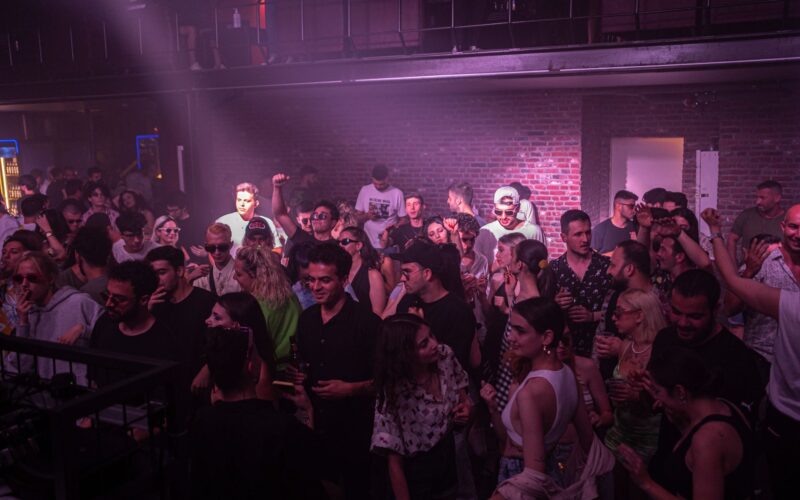
The bar Finalmente opened on Rua da Palmeira in Lisbon in 1976. Two years earlier, soldiers and carnations had ended forty years of fascist dictatorship in Portugal. This is not a coincidence. When you go to Finalmente now and watch the drag show in a room full of gay men from across Europe, you’re standing in something that only became possible because a revolution happened fifty years ago.
The history of the gay scene in Lisbon is the history of what gets built when a country unlocks itself. It’s worth knowing.
Before the Revolution: Forty Years of Dictatorship
Portugal lived under the Estado Novo regime from 1933 to 1974: a conservative, Catholic, nationalist dictatorship founded by António de Oliveira Salazar. Homosexuality was not merely socially discouraged; it was grounds for prosecution under public morality laws. Gay men were arrested, imprisoned, sent for psychiatric treatment. The PIDE (the secret police) maintained files. The church provided the moral framework. The state provided the enforcement.
This is the baseline. When you read that Portugal has some of the strongest LGBTQ+ protections in Europe today, that history is what the country moved from and through. The speed of the change, once it started, is extraordinary. Understanding that speed requires understanding what came before it.
There were, of course, underground spaces. In Lisbon as in every city under every regime that criminalised homosexuality, there were places where gay men found each other. They were precarious, frequently raided, run at genuine personal risk. The history of those spaces doesn’t survive in the way that documented history does, you find it in personal testimony and in the architecture of the city, in the private rooms behind public façades that served a function they couldn’t advertise.
The queer cultural conversation, before it goes mainstream.
Every week. No noise.
No spam. Unsubscribe anytime.
By subscribing you agree to our Privacy Policy.
The Carnation Revolution: 25 April 1974
The coup that ended the Estado Novo regime on 25 April 1974 is called the Carnation Revolution because soldiers placed carnations in the barrels of their rifles rather than firing them. It was a remarkably low-violence end to a remarkably long dictatorship. The secret police were disbanded. Political prisoners were released. The press was freed. Portugal decolonised from Angola, Mozambique, Guinea-Bissau almost simultaneously.
For the gay community in Lisbon, the immediate effect was the removal of the most direct forms of state persecution. Gay men didn’t emerge publicly overnight, the culture of the country was still Catholic, still conservative in ways that law change doesn’t fix immediately. But the legal threat diminished, and with it the worst of the organised suppression.
Finalmente opened in 1976. It is, as far as can be determined, the oldest continuously operating gay venue in Lisbon. Opening a gay bar in 1976 was an act. Not a dramatic one, not a protest, just someone deciding that now it was possible to do this and doing it. That it’s still there fifty years later, still running drag shows every weekend, is the most straightforward possible argument for the significance of what 1974 made available.
Decriminalisation, Pride, and the Legal Arc
Homosexuality was formally decriminalised in Portugal in 1982, eight years after the revolution, which tells you something about how slowly legal reform can move even when the political climate has shifted. The scene that existed in Lisbon through the 1980s was still operating in a context of social stigma and periodic police harassment, even without the criminal framework. HIV arrived in Portugal as elsewhere, and the 1980s were devastating in the way they were everywhere. The Abraço organisation emerged from this period as Portugal’s primary HIV/AIDS support and testing body.
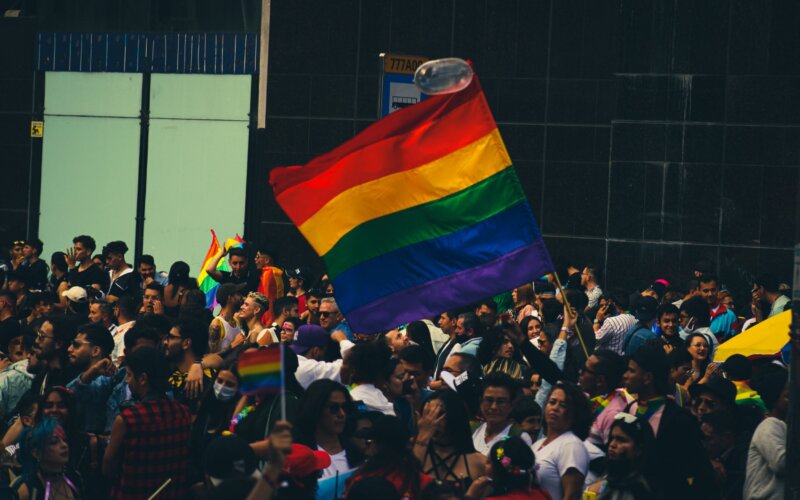
The first Pride march in Lisbon took place in 1997. It was small: hundreds rather than thousands. But it was public, organised, and visible. The years that followed saw the scene develop: more bars in Bairro Alto and Príncipe Real, a growing community, growing political organisation. The Lisbon gay scene as it exists today was beginning to take the shape it now has.
Same-sex marriage was legalised in Portugal in 2010 under Prime Minister José Sócrates. Portugal was the sixth country in the world to do so and the first in the Iberian Peninsula, ahead of Spain in the ranking, which is notable given Spain’s larger and longer-established gay scene. The vote was 125 to 99 in parliament. Same-sex adoption followed in 2016, surrogacy rights in subsequent years. The legal arc has been consistent and progressive.
Why Lisbon, and Why Now
There’s a version of the question, why did Lisbon specifically become a major gay destination, that can be answered practically: affordable relative to Paris and Amsterdam, warm climate, good food, small enough city to feel knowable. These things are true and they matter. For the official cultural and historical context of the city, Visit Lisboa’s city guide provides the broader picture.
But the more interesting answer is cultural. The particular quality of Portuguese warmth, the physical ease, the openness with strangers, the absence of the social stiffness that makes some cities with strong legal protections still feel uncomfortable for queer visitors, is not an accident of geography. It emerged from the specific history of a country that overthrew a dictatorship and then rebuilt its social contract with surprising speed and genuine intention.
The gay bar scene, the Pride celebration, the neighbourhood that quietly established itself as the city’s queer centre over decades, all of it sits on fifty years of change that started with a soldier putting a flower in a gun. Understanding that makes Lisbon a different city to be in. It should.
Frequently Asked Questions: Gay History of Lisbon
Homosexuality was decriminalised in Portugal in 1982, eight years after the Carnation Revolution ended forty years of dictatorship. The Salazar regime had actively persecuted gay men; the revolution opened the legal and cultural space for the scene that emerged in the following decades.
Same-sex marriage was legalised in Portugal in 2010 under Prime Minister José Sócrates, making Portugal the sixth country in the world and the first in the Iberian Peninsula. Same-sex adoption rights followed in 2016.
The first Pride march in Lisbon took place in 1997. Small by contemporary standards, it was the first public, organised LGBTQ+ visibility event in Portugal. The event now draws hundreds of thousands to the June parade.
A combination of rapid legal progress, genuine Portuguese cultural warmth, affordability relative to northern European gay destinations, and the quality of the city’s environment. The LGBTQ+ welcome compounds everything else Lisbon already offers.
Finalmente, the oldest continuous institution of the Lisbon gay scene, opened in 1976, two years after the Carnation Revolution. Formally organised gay nightlife in the modern sense has existed in Lisbon for fifty years.