The Netherlands has some of the most progressive sex laws in Europe. It also has a public indecency statute vague enough to cover almost anything. These two facts exist in the same legal system, and the result is Amsterdam’s cruising scene: not quite legal, not quite illegal, and more deliberately thought-through than either of those phrases suggests. If you’ve typed amsterdam gay cruising is it legal into a search bar and found hedging non-answers and travel-blog disclaimers, this is the piece that actually explains it. I live here. I know the answer.
This article is informational and does not constitute medical or legal advice. For personal guidance consult a qualified professional.
Read the full Amsterdam gay cruising guide for context on every location and scene.
Key Takeaways
- Amsterdam established formally designated outdoor gay cruising zones in 2008 via the Gemeenteblad Amsterdam, one of the only cities in Europe to do so
- Public sex technically falls under Article 239 of the Dutch Penal Code, but enforcement is context-dependent and rarely applied in designated areas
- Police tolerance in designated zones is real but codified informally, it’s a policy of non-enforcement, not a legal exemption
- Visibility is the operative factor: sex out of public sight, between consenting adults, in a recognised zone, is effectively left alone
- Indoors, saunas, dark rooms, there is no legal ambiguity whatsoever
What Dutch Law Actually Says About Public Sex
Article 239 of the Dutch Penal Code, “schennis der eerbaarheid” (indecent conduct in public), is the statute that covers public sex in the Netherlands. Under it, explicitly sexual acts visible to people who haven’t consented to see them are illegal. A conviction can carry up to three months’ imprisonment, though prosecutions are genuinely rare (Wetboek van Strafrecht, Article 239). That rarity is not accidental.
Dutch law has never treated public sex the same way many neighbouring countries do. The Netherlands distinguishes, in practice if not in statute, between the act of cruising, seeking sex in a public space, and visible sexual conduct. The first carries no specific criminal liability. The second does, conditionally. The condition is the word “public”: Dutch courts and prosecutors have consistently interpreted this to require visibility to non-consenting third parties. Consensual adults, out of view, in a space understood to be used for exactly this purpose? That’s a different matter.
You already know where to go. Now get the full edit.
Every week. No noise.
No spam. Unsubscribe anytime.
By subscribing you agree to our Privacy Policy.
The vagueness of Article 239 is not a legal oversight. Dutch legal culture favours context-dependent interpretation over rigid statutes, and the Openbaar Ministerie (public prosecution service) exercises significant discretion over what it brings to court. The law that covers public sex is the same law it has always been. What changed in Amsterdam is how, and whether, the city decided to enforce it.
Citation Capsule: Article 239 of the Dutch Penal Code (Wetboek van Strafrecht) prohibits “schennis der eerbaarheid”, indecent conduct in public, with a maximum sentence of three months. Dutch prosecutorial practice applies this statute contextually, requiring visibility to non-consenting third parties. Enforcement in formally designated cruising zones has been consistently non-existent under the policy framework established in 2008 (Gemeenteblad Amsterdam, 2008).
Amsterdam’s Designated Gay Cruising Zones (Cruisegebieden)
Amsterdam is one of a very small number of cities in Europe with officially designated, municipally recognised outdoor gay cruising zones. In 2008, the Gemeenteblad Amsterdam, the city’s official municipal gazette, formally acknowledged specific locations as tolerated cruising areas (cruisegebieden), following a policy process led by GGD Amsterdam and involving COC Nederland (2008). De Oeverlanden on the Nieuwe Meer is the primary example.
What “designation” means in practice requires some care. The city did not legalise public sex. It created a documented policy of non-enforcement in specific locations for consensual activity between adults. Police tolerance in these zones is real and consistent. Officers do not routinely attend. But there is no statutory exemption from Article 239. The designation sits in policy space, not legal space.
The 2008 framework emerged from decades of negotiation between Amsterdam’s gay community and municipal government. COC Nederland, founded in Amsterdam in 1946 and the world’s oldest surviving LGBTQ+ rights organisation, was central to that process. The city did not invent these zones. It recognised spaces that were already in use, assessed the public health implications through GGD Amsterdam research, and chose pragmatism over performance. Most cities still choose performance.
The history and politics behind Amsterdam’s designated zones is a longer story worth reading separately.
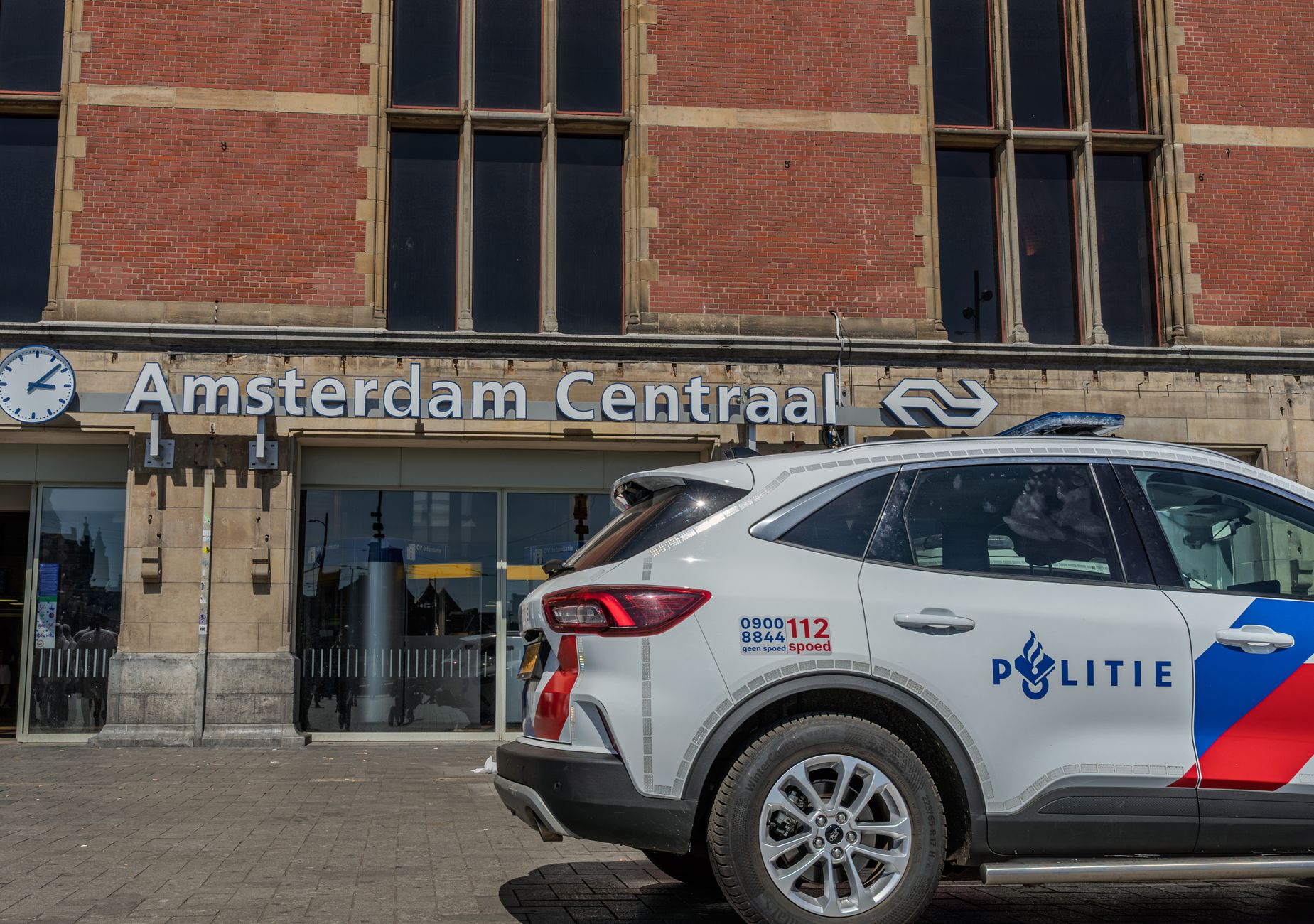
Citation Capsule: Amsterdam’s municipal gazette (Gemeenteblad Amsterdam) formally designated De Oeverlanden and other outdoor areas as tolerated gay cruising zones in 2008, following a GGD Amsterdam-led public health research process and consultation with COC Nederland. The designation does not create a legal exemption from Article 239 but establishes a documented policy of non-enforcement for consensual adult sexual activity in these specific locations.
Amsterdam Gay Cruising Is It Legal: The Practical Reality by Location
The honest answer to “amsterdam gay cruising is it legal” is location-dependent. The law is the same everywhere. The enforcement is not.
De Oeverlanden and Nieuwe Meer: Deeply Tolerated
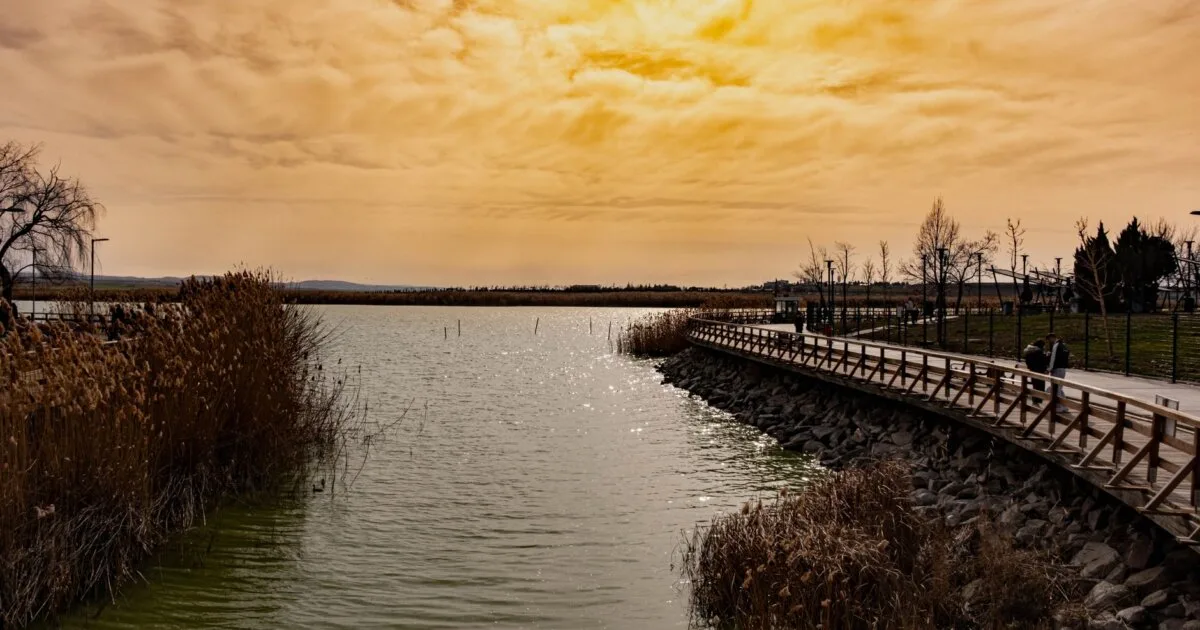
At De Oeverlanden, consensual sexual activity between adults is as close to unpoliced as it gets in any publicly accessible space in Europe. The zone designation functions. Police do not routinely attend. The community maintains its own informal norms. Men have been using this lakeside nature reserve for decades, and the city’s decision in 2008 to formalise what was already happening simply made explicit what everyone already understood.
That said, “deeply tolerated” and “legally permitted” are not the same sentence. If you behave in ways that create a genuine public order issue, involving people who haven’t consented, making activity visible to passersby who aren’t there for it, the tolerance framework doesn’t protect you. The operating principle is consent and discretion.
Vondelpark: More Complicated
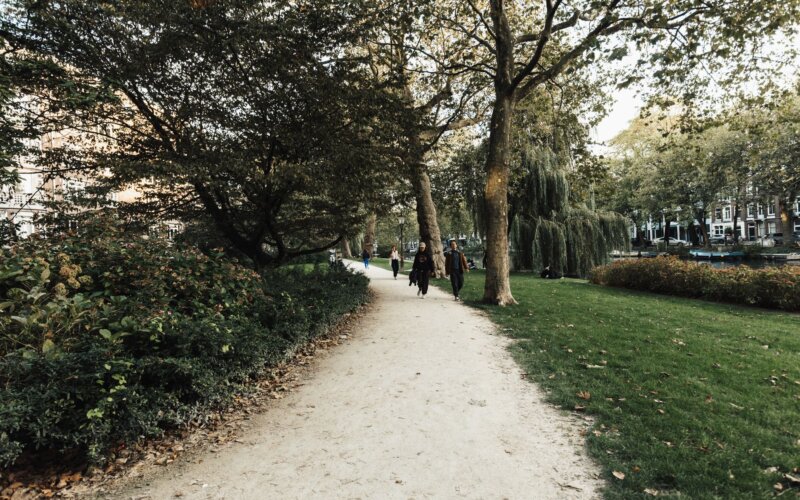
Vondelpark is Amsterdam’s most-used public park. It gets joggers, families, tourists, school groups, dogs, and cyclists all using the same paths. Cruising happens here, in the wooded southern sections after dark, and it has for years. But Vondelpark is not a designated cruising zone in the 2008 framework. The legal position is materially different from De Oeverlanden.
The energy at Vondelpark has always felt more self-conscious than at the lakeside spots. Men there know they’re sharing space with people who aren’t there for the same thing, and it changes how they move. That ambient self-consciousness reflects something real about the legal and spatial difference.
Gay Saunas and Dark Room Bars: No Legal Ambiguity
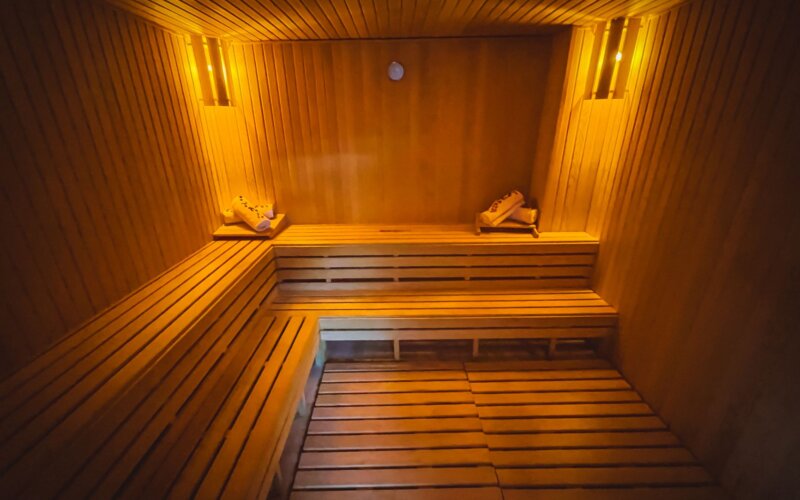
Indoor venues are entirely different. Saunas and dark room bars operate as private commercial premises. Sexual activity between consenting adults on private commercial premises has no application under Article 239, which covers public conduct. The dark rooms at venues like Sauna Nieuwezijds, or at Eagle and Church on Warmoesstraat, exist in a space with no serious legal complexity whatsoever.
Read the full guide to keeping safe at Amsterdam cruising spots.
Citation Capsule: De Oeverlanden operates under Amsterdam’s 2008 Gemeenteblad designation as a tolerated cruising zone, creating consistent non-enforcement of Article 239 for consensual adult activity on site. Vondelpark is not within the designated zone framework and carries higher exposure to complaint-driven police attention. Indoor venues, saunas and dark room bars, are governed by private premises law with no Article 239 application (Wetboek van Strafrecht).
What Can Actually Get You in Trouble
In conversations with men who’ve used Amsterdam’s outdoor cruising spaces across a range of years, the common factor in the rare cases of police involvement isn’t the sexual activity itself. It’s visibility to non-participants, and particularly visibility to children or families. The Dutch system tolerates the act; it does not tolerate the imposition of the act on people who haven’t chosen to witness it.
Four things genuinely increase your legal exposure in Amsterdam’s outdoor cruising context:
Visibility to non-consenting parties. Explicitly sexual activity that is visible to people who aren’t there for cruising is precisely what Article 239 covers. The zone designations protect you from routine policing. They don’t protect you from a complaint filed by someone who watched something they didn’t consent to see.
Operating outside recognised zones. A wooded path near a tourist area, a public beach during busy hours, a park with no established cruising history, these carry real legal exposure.
Harassment and non-consensual conduct. This is criminal law, not public indecency, and it applies everywhere. Non-consensual touching is assault under Dutch law regardless of the cruising context.
Being in a place during a period of active police attention. Periodic complaint spikes, incidents that bring media attention, or political pressure on the municipality can temporarily change enforcement behaviour even in tolerated zones. In May 2026, NL Times reported a pattern of robberies and assaults at De Oeverlanden that brought press and police attention to the area. Full coverage of the safety situation is here.

Frequently Asked Questions
Is public sex legal in Amsterdam?
Not in statutory terms. Article 239 of the Dutch Penal Code makes explicitly sexual conduct visible to non-consenting people illegal (Wetboek van Strafrecht). What Amsterdam has is a formalised policy of non-enforcement in designated zones, documented in the Gemeenteblad Amsterdam since 2008. That’s different from legality, and it’s more honest than most cities manage. The distinction matters practically: in a designated zone like De Oeverlanden, the policy framework protects consensual activity between adults from routine policing. Outside those zones, or in any context involving visibility to people who haven’t chosen to be there, the statutory law applies in full. Amsterdam’s tolerance is real, maintained, and location-specific, not a citywide exemption from the rules.
What are Amsterdam’s official cruising zones?
De Oeverlanden on the Nieuwe Meer is the primary municipally designated cruising area (cruisegebied), formalised through the Gemeenteblad Amsterdam in 2008 following research by GGD Amsterdam and consultation with COC Nederland. Other locations, Vondelpark, Oosterpark, Sarphatipark, have informal histories but are not part of the 2008 designation framework and therefore do not carry the same non-enforcement policy protection. The Gemeenteblad document is the one that legally anchors the designation. Everything else is custom and practice, which is valuable but less robust when political conditions change.
Can I be arrested for cruising in Amsterdam?
At De Oeverlanden, in normal operating conditions, routine arrest for consensual adult activity between people who’ve entered the space knowingly is not how Amsterdam operates. The 2008 designation framework has held for nearly two decades and the pattern of enforcement, or absence of it, is consistent. Outside the designated zones, or in any context involving visibility to non-participants, the legal exposure is real and the tolerance framework does not apply. In periods of heightened police attention, as seen in May 2026 following the robbery incidents reported by NL Times, even the designated zone provides less practical protection than usual. Awareness of current conditions before visiting is always worth the effort.
What is “schennis der eerbaarheid”?
Literally: violation of decency. The legal term under Article 239 of the Dutch Penal Code (Wetboek van Strafrecht) for indecent conduct in public. It carries a maximum sentence of three months and is applied contextually by Dutch courts and prosecutors, meaning the same act in two different locations can produce entirely different legal outcomes depending on who saw it, whether they consented to see it, and whether the location carries any formal recognition. The vagueness is deliberate: Dutch legal culture prefers prosecutorial discretion to rigid statutes, which is precisely what created the space for Amsterdam’s policy framework to function the way it does.
Does the law treat outdoor cruising differently from indoor sex in saunas?
Yes, categorically. Indoor venues, saunas, dark room bars, operate as private commercial premises. Article 239 of the Dutch Penal Code applies to public conduct. Sexual activity in a private venue between consenting adults is simply not covered by this statute, and the legal analysis ends there. There is no meaningful legal complexity around what happens in the dark rooms at Sauna Nieuwezijds or at Eagle on Warmoesstraat. The public/private distinction is the entire difference. Outdoor cruising in designated zones sits in a middle space, publicly accessible but municipally recognised, which is why the policy framework matters. Indoor venues have no need for that framework at all.
The Dutch system is imperfect. It’s vague by design, leaving enforcement to discretion rather than statute, which means the protection it offers is only as reliable as the political will behind it. But it’s also the most honest negotiation of a real social fact that I’ve encountered in any city. Most places pretend outdoor gay sex doesn’t happen, police it intermittently, and use it as a political tool when convenient. Amsterdam looked at the reality, talked to the public health researchers at GGD Amsterdam, heard from COC Nederland, and wrote it down in the Gemeenteblad.
That document isn’t a guarantee. It’s a commitment. The difference between those two things is worth understanding before you assume Amsterdam’s tolerance is unconditional. It isn’t. It’s earned, maintained, and contingent on the community that made the argument in the first place continuing to make it.
That community is still here.