The Unwritten Rules: Gay Cruising Etiquette in Amsterdam
Aria Vortx
Nobody hands you a pamphlet at the park entrance. That’s the point. Amsterdam gay cruising etiquette is the kind of knowledge that lives inside the scene itself, passed laterally, absorbed through observation, occasionally learned the hard way. It isn’t about safety warnings or NGO guidance. It’s about understanding the grammar of these spaces so they actually work, for you and for everyone else in them.
Whether you’re heading to the lakeside paths at De Oeverlanden, the steam rooms at Sauna Nieuwezijds, or a darkroom at the back of an Eagle night on Warmoesstraat, the underlying logic is the same. Non-verbal communication. Reading signals. Knowing when to approach and, more importantly, when to back off. The specific rules vary by location. The principles don’t.
Key Takeaways
, Cruising runs on non-verbal consent signals, reading them correctly is the core skill
, Amsterdam’s outdoor scene follows different rules from indoor venues, but rejection always means the same thing
, Phones and cameras stay away; discretion is a collective agreement, not a personal choice
, Amsterdam’s 2008 designated cruising zone policy gives outdoor scenes a rare legal framework, but unwritten etiquette predates and outlasts any policy
, First-timers: the system isn’t complicated, it just requires paying attention
What Does “Yes” Actually Look Like in Cruising?
Cruising operates through a non-verbal negotiation that is older than the internet, older than gay bars, older than most of the cities where it happens. Research from queer cultural studies has documented these signalling systems as consistent across decades and geographies (Hollister, J., “The Semiotics of Cruising,” Journal of Homosexuality, 1999). The system works because it is efficient, low-stakes, and respectful by design, when everyone uses it correctly.
The sequence goes: eye contact, sustained or repeated, is the opening signal. It says: I see you and I’m open. The next step is proximity, closing some of the distance, positioning yourself somewhere that continues the exchange. Then a signal, which varies by space: the lingered glance, the nod, the slight movement toward you. At each stage, either person can withdraw without awkwardness.
I’ve been in these spaces long enough to know that the approach itself rarely fails. What fails is not reading the response. If he looks away and doesn’t look back, that’s the answer. If he moves away from you, that is definitely the answer. The system is designed to produce graceful exits, not just connections.
You already know where to go. Now get the full edit.
Acceptance looks like reciprocal engagement: sustained eye contact returned, movement toward you, or a gesture that says “follow.” Rejection looks like absence of that. A man who looks once and doesn’t continue is not playing a game. He’s not interested. The space between approach and response should stay comfortable for both people.
The distinction between cruising and harassment sits exactly here. Cruising is a mutual negotiation where either party can close the door at any point. Harassment is treating another person’s presence as consent. Amsterdam’s outdoor spaces work because the men in them, mostly, understand this distinction. Loaded Edit has covered this scene long enough to say that the etiquette isn’t aspirational, it’s functional, and it holds.
Amsterdam Gay Cruising Etiquette: The Outdoor Scene
Amsterdam’s outdoor cruising areas operate under a unique legal framework, established by city council in 2008, that formally designates specific zones as tolerated cruising spaces (Gemeenteblad Amsterdam, 2008). That policy is unusual globally and worth knowing about. But the etiquette that governs behaviour in those spaces predates the policy by decades and operates independently of it.
Vondelpark: Mixed Company, Different Rules
Vondelpark is a shared public space. That fact shapes everything about how you move through it when cruising. Joggers, families, tourists, cyclists, they’re all there simultaneously with the men at the park’s wooded southern end who are there for something else entirely.
Discretion here isn’t about shame. It’s about spatial awareness. The rule of thumb is simple: would a reasonable passer-by be comfortable with what they’re seeing? Eye contact and signalling between men who know what they’re doing are invisible to people not looking for them. Explicit activity in a zone where families might walk through is not invisible. That difference matters.
The southern wooded section is where the cruising concentrates, primarily after dark. The internal geography does most of the work: the further from the main paths and the late-night cafes, the more latitude the space carries. Still, Vondelpark requires a lighter touch than De Oeverlanden. That’s just the reality of a mixed-use space.
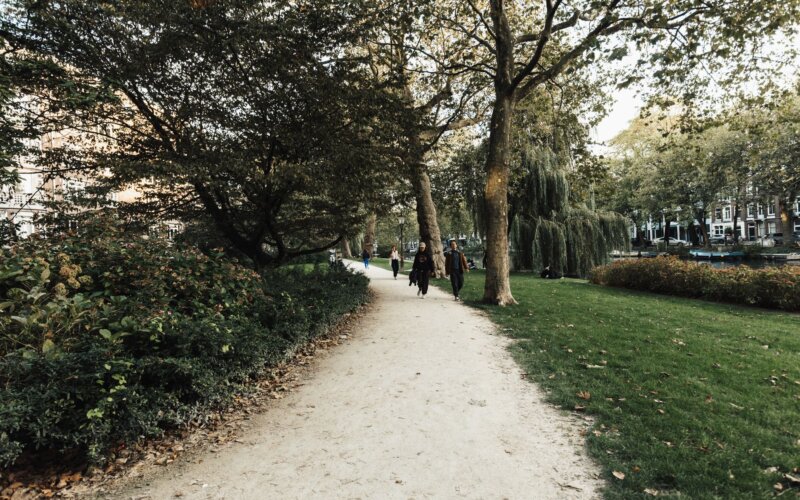
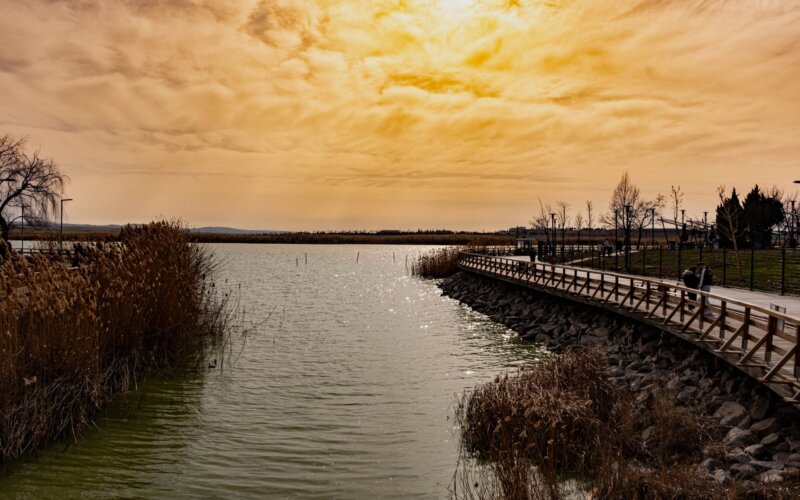
De Oeverlanden is a different environment entirely. It’s a legally recognised cruising zone, which means the men there are operating within an explicit framework of civic tolerance. The energy is more relaxed as a result. There’s less of the self-conscious edge you can sometimes feel in Vondelpark.
The designated zone policy has a secondary effect that rarely gets discussed. Because the space is officially recognised, informal community norms within it are more stable. There’s no annual threat of a policing crackdown to disrupt the shared understanding of how the space works. Stability enables norms to settle and hold.
The rules at De Oeverlanden follow the basic grammar described above, with some additions specific to the space. Phones stay in pockets, always. The wooded sections away from the main paths are where the activity concentrates; the main lakeside path is a transition zone, not an action zone. Men walk to signal availability, slow to signal interest, stop to signal openness.
If something feels off, an energy that doesn’t fit, a man who isn’t reading the signals properly, a situation that’s moving too fast, you are always free to walk away without explanation. The paths at De Oeverlanden run in both directions for a reason.
The Sauna Rules
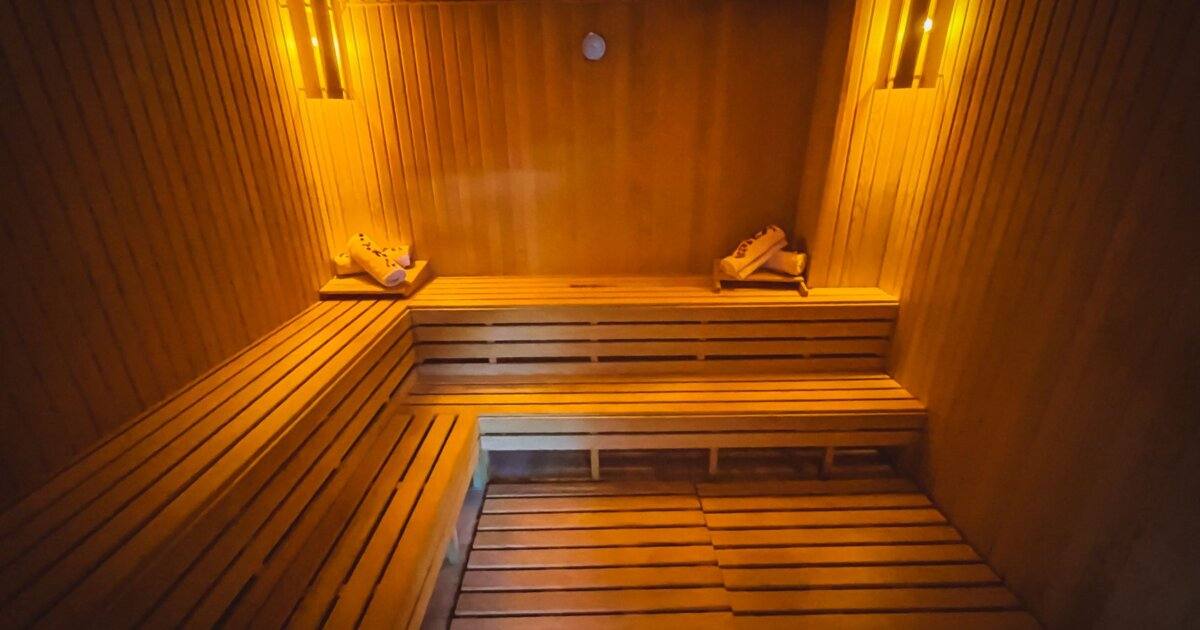
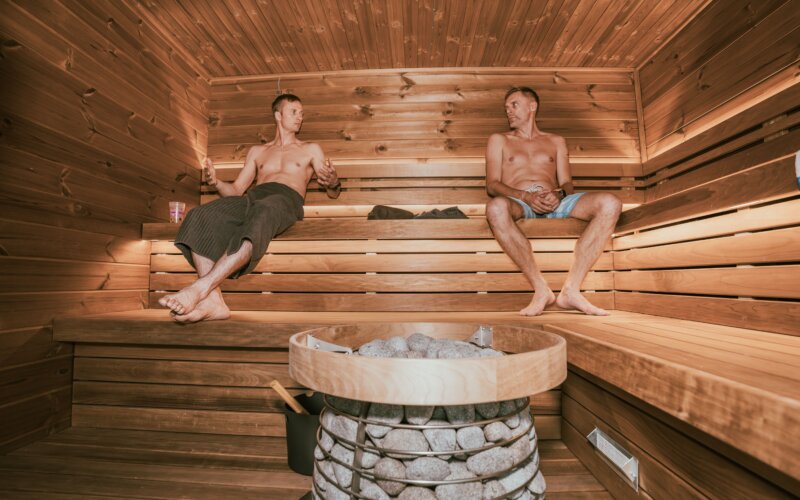
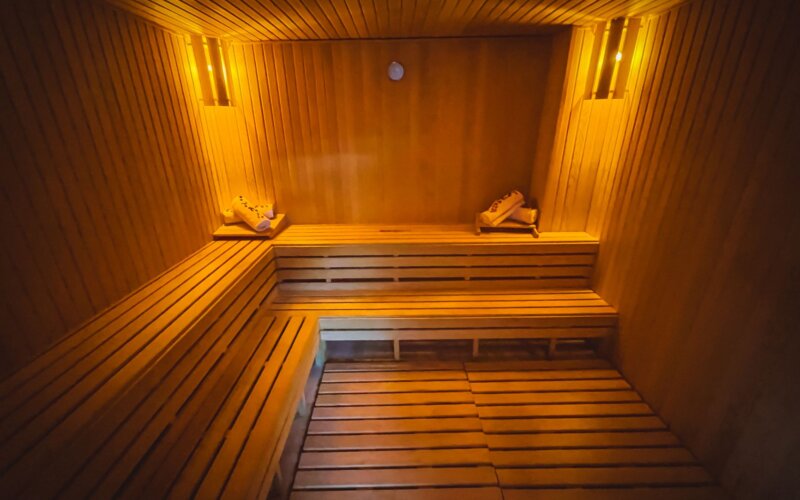
Gay saunas run on a compressed version of the same logic as outdoor spaces, but the physical architecture does a lot of the signalling work. Amsterdam’s main venues each have their own micro-culture, but the baseline etiquette holds across all of them.
Entry means towel on at all times in common areas, corridors, bar areas, the steam room itself unless custom there says otherwise. The towel is both practical and communicative. It signals that you’re operating within the shared rules of the space. Lockers go in the designated areas; valuables stay locked up, not carried through.
The dark room in a sauna is a specific environment. The rules there are the same as anywhere else, consent is continuous and can be withdrawn at any point, but the space compresses everything. Your eyes adjust slowly. You’re navigating by touch and proximity more than sight. The way to move through a dark room correctly is slowly, with awareness of other people’s bodies, never assuming that physical proximity equals consent.
What to do if an approach isn’t welcome: move away or place a hand briefly on their wrist as a gentle “no.” What not to do: sharp rejection language, making a scene, or anything that disturbs the atmosphere for everyone else. The dark room works because people maintain the shared contract of the space. Disrupting it affects everyone, not just the person you’re rejecting.
In Loaded Edit’s experience covering Amsterdam’s indoor venues, the sauna dark room is where most etiquette questions from first-timers concentrate, and where the answers are actually the simplest. The system is slower than you expect. Slower is intentional.
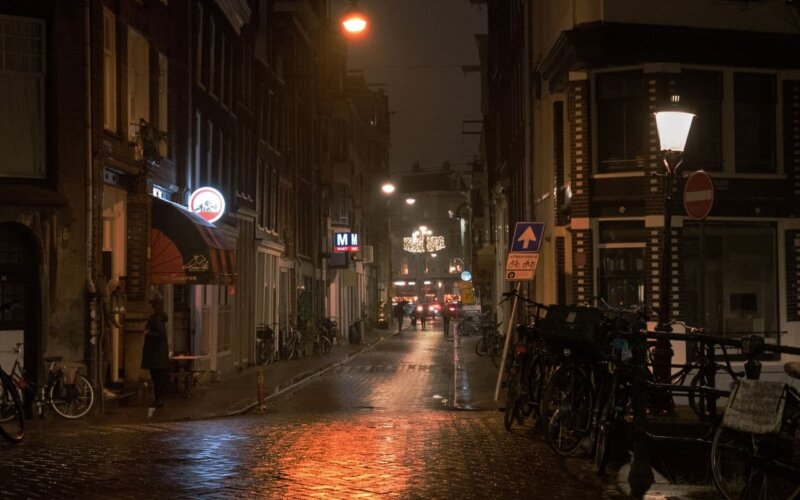
Warmoesstraat’s leather and darkroom bars have operated since the early 1970s, and they carry fifty years of accumulated subcultural knowledge about how these spaces should work (Cuckoo’s Nest Amsterdam, est. 1984). Walking in without that knowledge doesn’t disqualify you. Treating the space like it has no rules will.
The dress code question comes up constantly, particularly for first-timers. The short answer: leather and fetish gear on themed nights, dark clothing minimum on standard nights. Eagle Amsterdam tightens its dress requirements considerably on special events. Church Amsterdam is slightly more varied. Cuckoo’s Nest is small and specific, it draws men who know what they’re there for, and that self-selection does part of the filtering.
Dress codes communicate something beyond aesthetics. They signal that you’ve taken the space seriously enough to engage with its culture. A man who shows up in beach clothes at a leather bar isn’t just under-dressed. He’s communicating, probably unintentionally, that he hasn’t thought about where he is. That matters in spaces with their own history and codes.
The first time I went to Eagle on a themed night without reading the dress requirements first, I was turned away politely. Not rudely, not harshly, just: this isn’t for tonight, come back on a standard evening. That’s how it works. The door is a filter, not a punishment.
The bar dark room differs from the sauna dark room in one important way: you are dressed, or partially dressed, in a social space where other people are drinking and talking. The transition from bar to dark room carries its own ritual, the signalling that happens at the bar, the movement back together. It’s an extension of the same non-verbal system, just in a more socially layered context. The rules of consent remain identical.
For health context on these spaces, GGD Amsterdam maintains harm-reduction partnerships with several Warmoesstraat venues and distributes sexual health information at the door on certain nights. COC Nederland also publishes guidance relevant to cruising venue culture and sexual rights.
If you’ve cruised before but not in Amsterdam, the main adjustment is the legal context and the confidence that comes with it. These spaces are stable, established, and used by men who’ve been coming for years. You don’t need to be nervous. Read the signals correctly, stay aware of your surroundings, and behave as you would in any cruising space where consent is continuous and non-negotiable. Amsterdam doesn’t require a different morality, just some familiarity with the specific venues and their individual cultures.
One thing that genuinely distinguishes Amsterdam is the intergenerational character of the outdoor scene. De Oeverlanden draws men in their 20s alongside men who’ve been coming since the 1980s. That range produces a certain quality of ease. Newer arrivals absorb the norms by watching men who’ve been doing this for decades. The learning curve is built into the space itself.
If you’ve never cruised before, the most important thing to understand isn’t any specific venue rule. It’s that consent in these spaces is present, active, and ongoing, it just gets expressed differently than in contexts you might be more familiar with. The non-verbal system exists because it works. It’s efficient, low-stakes, and respectful. Take the time to read it rather than overriding it with spoken approaches or assumptions.
Practical notes for genuine first-timers: start with De Oeverlanden or a sauna rather than a leather bar. The outdoor space is more forgiving of not knowing the codes. Saunas provide structure that makes navigation easier. Get comfortable with the basic grammar before you encounter the more compressed, socially specific environment of a bar dark room.
From consistent observation for Loaded Edit, first-timers who do well in Amsterdam’s cruising spaces share one trait: they watch before they move. The men who’ve been coming for years are teaching the room simply by being in it. Pay attention to that.
What’s the single most important rule in Amsterdam’s cruising spaces?
No means no, including when it isn’t spoken. If a man doesn’t reciprocate your approach, moves away, or breaks the signal sequence at any point, that’s a no. The cruising system is built on graceful exits as much as connections. Violating this principle is how spaces that function well become spaces that don’t. Amsterdam’s cruising scene has maintained its quality over decades precisely because the majority of men in it understand and honour this. The non-verbal system is designed to make rejection low-cost and unambiguous, a look away, a step back, a posture that closes off. When you see that, you’re done. Move elsewhere. There is no second attempt, no clarifying question, no lingering to see if he changes his mind. The exit is as much part of the system as the approach, and it requires the same respect.
Can I use my phone or take photos in parks and dark rooms?
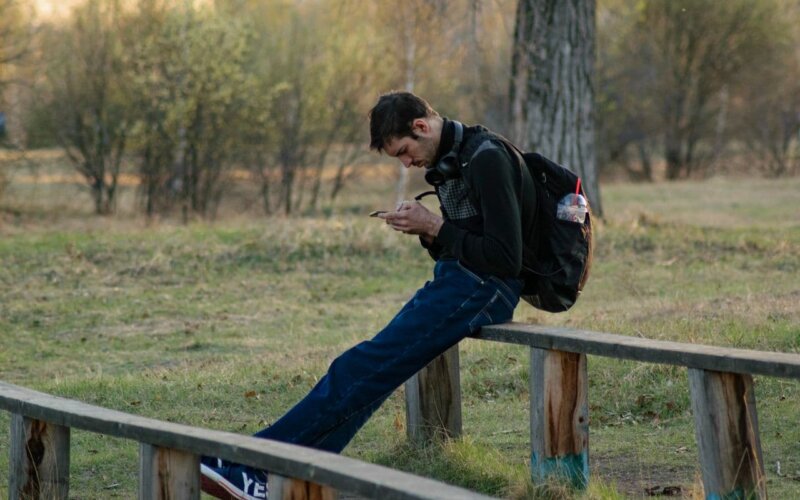
No. In outdoor cruising areas, phones and cameras stay in pockets. Dark room bars in Amsterdam, most of the Warmoesstraat venues and sauna dark rooms, either prohibit phones explicitly or operate on a shared understanding that photography doesn’t happen. This isn’t a suggestion. Photographing or filming men in sexual environments without their consent is a serious harm and carries genuine legal weight under Dutch privacy law (Autoriteit Persoonsgegevens). Beyond the legal dimension, it breaks the collective discretion that makes these spaces function for everyone. The phone policy exists because the space only works if every person in it can trust that what happens there stays there. Pull out your phone to check a message and you’ve already created discomfort. Leave it in your pocket or your locker. Whatever is on the screen can wait until you’re outside.
How should I handle an unwanted approach?
Move away calmly, or place a brief hand on their forearm as a gentle stop signal. You don’t owe anyone an explanation. What you’re trying to avoid is a response that disturbs the shared atmosphere of the space. Sharp verbal rejections, confrontations, or making a scene all affect everyone in the area, not just the person approaching you. The system allows for quiet, unambiguous no-signals. Use them. If someone continues to approach after you’ve moved away, a second deliberate step back combined with no eye contact is a clear signal. If that doesn’t work and the behaviour becomes unwanted persistence, remove yourself from the immediate area entirely, the space is large enough that distance is usually sufficient. In indoor venues, staff are available; don’t hesitate to speak to someone at the desk if an interaction crosses the line from misread signal into genuine unwanted pressure. Your comfort in the space matters as much as anyone else’s.
Do I need to know Dutch to navigate these spaces?
No, and Amsterdam’s gay scene is genuinely international, Warmoesstraat particularly draws visitors from across Europe and beyond. The non-verbal system that governs cruising spaces is, by design, language-independent. Desire communicates without translation; so does disinterest. That said, knowing a few basic Dutch pleasantries earns noticeable goodwill at smaller venues like Cuckoo’s Nest, where regulars notice who makes the effort. “Goedenavond” and “dank je” go a long way at the bar. English is spoken without hesitation by virtually everyone in Amsterdam’s queer spaces, staff, regulars, other visitors. You will not be at a disadvantage. But there’s a difference between being understood and being welcomed, and a little effort with language signals that you’re there as a guest who respects the space rather than a visitor who assumes the space will adapt to him.
Is the etiquette at saunas different from outdoor cruising?
Structurally no. The consent principles are identical, non-verbal, continuous, immediately respected when withdrawn. The specific forms differ considerably. In a sauna, the towel is the baseline state of dress and carries its own social meaning; keeping it on in common areas is a baseline rule, not an option. The pace of the dark room inside a sauna is slower than most first-timers expect, partly because visibility is low and everyone is navigating carefully. The spatial layout, cabins, corridors, the dark room itself, communicates opportunity in ways that outdoor geography doesn’t. Learning to read a sauna’s architecture is as important as learning the signal system. Loaded Edit covers Amsterdam’s sauna scene in detail if you want to go in prepared.
The etiquette of cruising isn’t a rulebook handed down from anywhere. It’s the accumulated knowledge of men who figured out how to share a specific kind of space, parks, steam rooms, dark rooms, without it going wrong. Amsterdam’s version of that knowledge is old, coherent, and genuinely worth understanding before you arrive.
The summary, stripped down: read the signals, respect the answer you get, keep your phone away, and pay attention to the specific character of whatever space you’re in. None of this is complicated. It just requires taking the space and the men in it seriously.
Which is, in the end, the only thing these spaces have ever asked for.