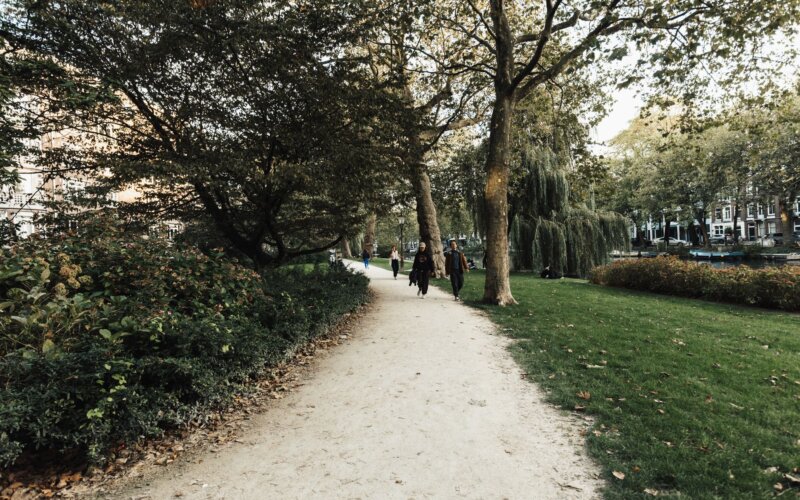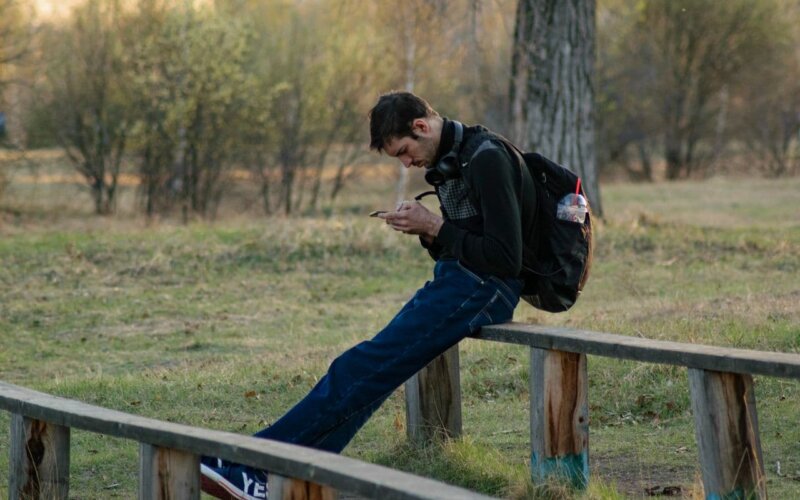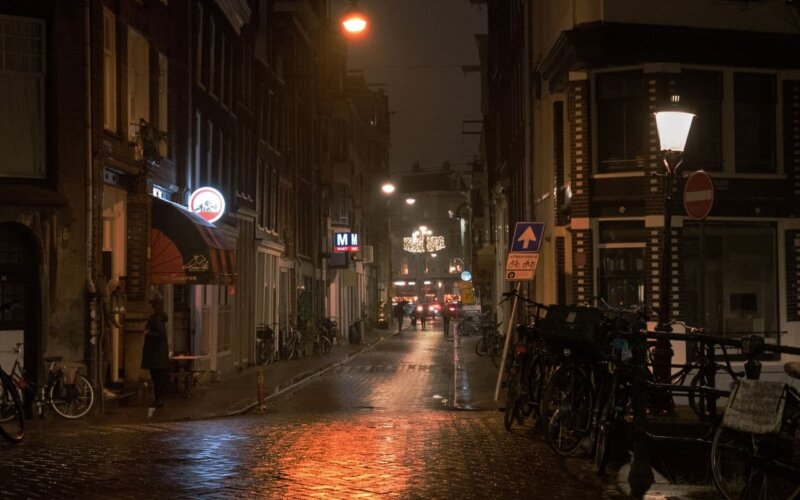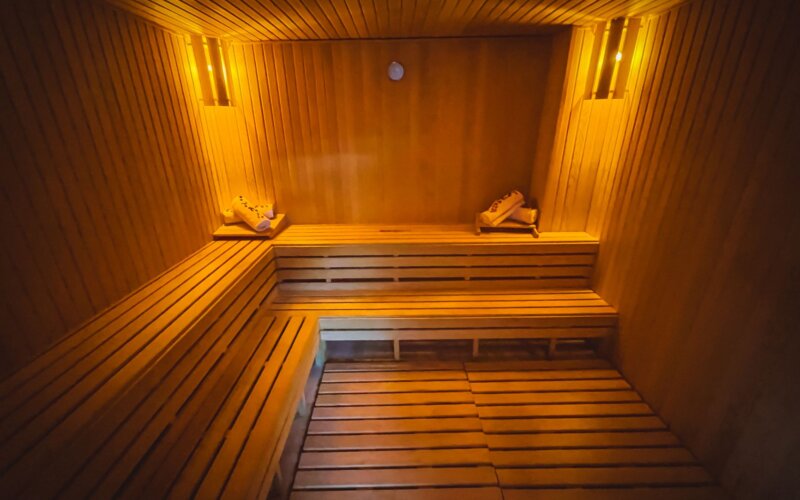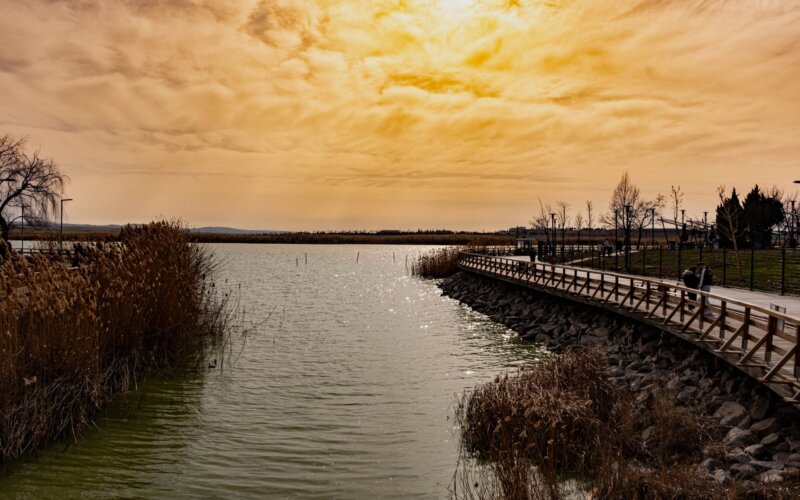
It is a Saturday afternoon in July at De Oeverlanden. The lakeside paths are full. There are men I recognise from February, from last October, from years of Tuesday afternoons I’d rather not fully account for. And there are men I have never seen before, who are moving through the space like they’re trying to decode it in real time, phones briefly visible, checking something, putting them away. The split is instantly readable. The amsterdam gay cruising locals vs tourists divide isn’t hostile or dramatic. It is quieter than that. It is two different relationships to the same geography, playing out side by side, often without acknowledging each other.
Amsterdam’s gay cruising scene has not split, exactly. It has always had layers. But the layers have become more distinct as the city’s gay tourism has scaled up, as Pride has grown into a week-long commercial event, as Warmoesstraat has become a destination rather than just a street. What exists now are two parallel circuits with different tempos, different assumptions, and different stakes. They occasionally overlap. They rarely fully merge.
Key Takeaways
Amsterdam attracted over 1.1 million international LGBTQ+ visitors in 2023, a number that concentrates heavily in summer months (Amsterdam & Partners, 2024). The local gay scene operates year-round on rhythms tourists rarely see: winter parks, Tuesday saunas, Thursday regulars. Leather & Fetish Pride is the tourist event that most successfully integrates with the local scene, because leather culture is already international. The tension between local and tourist isn’t about exclusion, it’s about the difference between knowing a place and visiting it. Amsterdam markets itself on queer freedom without always accounting for what that costs the people who actually live it.
What Amsterdam’s Gay Scene Looks Like to a Local
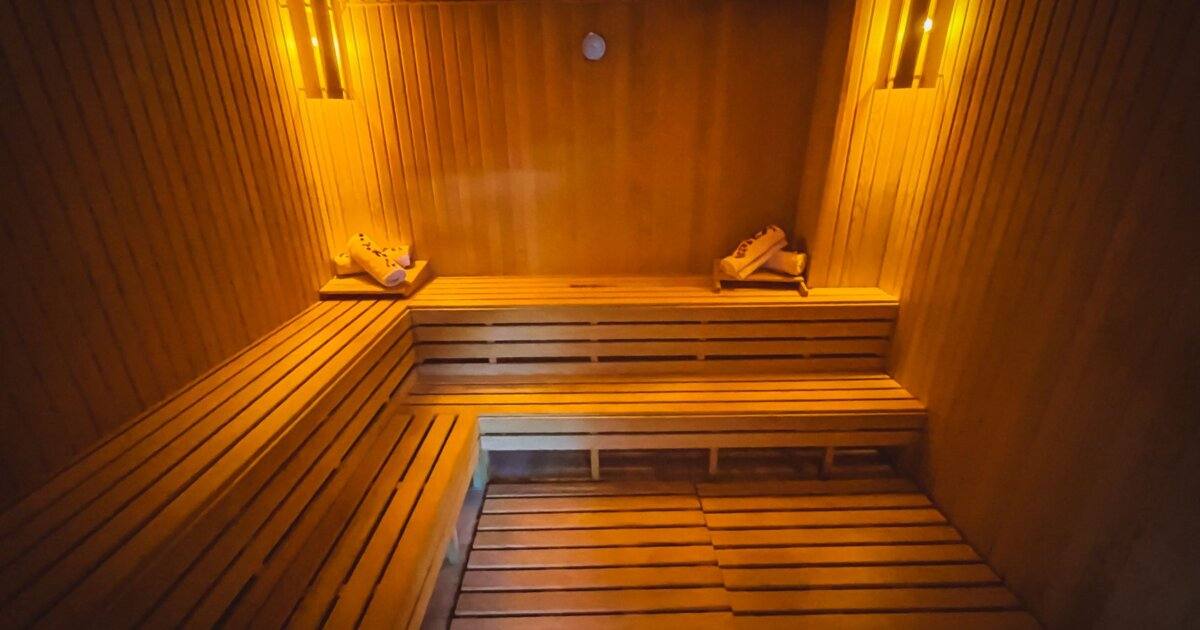
Amsterdam’s permanent gay cruising scene is not spectacular and it is not trying to be. It runs on repetition: the same men at De Oeverlanden on warm weekday evenings, the same faces in the steam room at Sauna Nieuwezijds on a grey Tuesday, the same regulars propping up the bar at Eagle on a Thursday when there are twelve people in the place and the music isn’t too loud to talk. According to research on gay men’s social behaviour in urban environments, regular venue attendance and place familiarity are primary drivers of community cohesion for gay men in major European cities (van Heeswijk & Luijt, “Queer Space and Urban Belonging,” University of Amsterdam, 2021).
The local scene has a different pace. There is less urgency. The man at the lakeside path on a Wednesday evening is not maximising a 48-hour trip. He is just there, the way you are just at your local bar, the way you take the same walk after work because it clears your head. The absence of a deadline changes everything about how a space feels.
I have been cycling to De Oeverlanden after work since I was in my late twenties. I know which paths turn quiet after 8pm and which ones stay busy until dark. I know a few of the men there by a kind of silent familiarity, not names, not conversation, just years of being in the same place. That knowledge is the local scene. It isn’t dramatic. It doesn’t make good Instagram content. It exists in the register of everyday life.
You already know where to go. Now get the full edit.
Every week. No noise.
No spam. Unsubscribe anytime.
By subscribing you agree to our Privacy Policy.
The non-spectacular version of Amsterdam’s gay cruising world is almost entirely absent from writing about the city. Every article focuses on Pride, on Warmoesstraat on a Saturday night, on the city in its tourist-season performance mode. The parks in November. The sauna on a Tuesday. The bar at 6pm before the tourists arrive. That’s the city I actually live in. Loaded Edit covers that city, not just the weekend version of it.
Amsterdam Gay Cruising Locals vs Tourists: What Gay Tourism to Amsterdam Actually Looks Like
Amsterdam hosted over 1.1 million international LGBTQ+ visitors in 2023, with the highest concentration arriving in July and August around Pride weekend (Amsterdam & Partners, 2024). Gay tourism is not incidental to this city. It is structural. The Warmoesstraat leather strip, the visibility of the cruising zones, the political mythology of Amsterdam as a place of queer freedom: all of it is part of what the city sells, and it sells it deliberately.
The tourist version of Amsterdam gay cruising is real. It is not fake or shallow. The man who has one night in Amsterdam, who has been hearing about this city for years, who finally gets here and walks down Warmoesstraat at 11pm on a Friday in August: his experience is genuine. The desire is real. The excitement is real. He just carries different context than the person who has walked that same street on two hundred Friday nights.
The tourist circuit concentrates around predictable coordinates. Vondelpark and the lakeside spots in daylight. Warmoesstraat from evening onward. The sauna as a self-contained destination rather than part of a weekly routine. Pride weekend as the apex of the whole trip. These are not wrong moves. They are exactly what Amsterdam has designed itself to offer. If you’re planning your first visit, our Amsterdam Gay Cruising Guide covers every corner of the circuit in full.
What’s rarely acknowledged is that the tourist economy of Amsterdam’s gay scene has, over two decades, begun to shape the scene itself in the tourist’s image. Some Warmoesstraat bars have shifted their hours, their atmosphere, their vibe to serve the summer influx rather than the year-round regulars. The neighbourhood hasn’t been gentrified away from queer life, it’s been optimised for a version of queer life that is slightly more legible to someone on holiday.
Amsterdam Gay Cruising Locals vs Tourists, Where the Tension Sits
The amsterdam gay cruising locals vs tourists tension is not a war. Nobody is chasing anyone out. The tension is quieter and more structural. It sits in the etiquette gap, in the rhythm gap, and in the question of who the space is actually for. A survey of LGBTQ+ residents in Amsterdam found that 43% reported feeling that popular gay spaces in the city felt more oriented toward tourists than residents during peak summer months (Roze Golven Foundation, “Queer Residency Survey Amsterdam,” 2022).
Vondelpark in July is the clearest example. The park is genuinely beautiful and genuinely busy. The cruising that happens there has always coexisted with the rest of the park’s life. But in high summer, the cruising crowd in the park’s wooded section becomes mixed in a specific way: men who know the signals, and men who are not quite sure what they’re doing or what the correct register is. The signalling becomes harder to read.
De Oeverlanden during Pride week is a version of the same thing. The space has its own rhythms, its own pacing, its own grammar. A temporary influx of visitors who don’t know those rhythms doesn’t ruin it, but it changes it. The energy is different, louder, more performative, less patient. The regular faces disappear for a few days and come back when the week is over. It’s worth reading our piece on Gay Cruising Etiquette Amsterdam before your first visit, it maps the unwritten grammar clearly.
Warmoesstraat during Leather & Fetish Pride is simultaneously the strip’s best commercial week and, for some regulars, its most socially overwhelming. The bars are packed, the atmosphere is electric, the street looks like the version of itself it always wanted to be. And also: the regulars who have been coming every Thursday for fifteen years are navigating a crowd of strangers who are all having a very good time and none of whom know your name.
This is not about foreigners being bad. It is about the difference between knowing a place and visiting it. The COC Nederland, the Dutch LGBTQ+ rights organisation, one of the oldest in the world, has written about this dynamic in the context of Amsterdam’s urban queer policy, noting that visibility and accessibility are not the same as belonging.
Amsterdam Leather & Fetish Pride, When the Worlds Collide Best
Of all the events that bring outsiders into Amsterdam’s gay cruising world, Leather & Fetish Pride is the one that works best. Not because tourists are better-behaved that week, and not because the local scene is more generous. It works because the leather and fetish community is already international in a way that creates genuine common ground. A man from Berlin, a man from London, a man from São Paulo, and a man who has been going to Eagle Amsterdam for twenty years are all operating from a shared cultural vocabulary that transcends where they sleep that night.
Leather culture is its own passport. The dress codes, the protocols, the hierarchy of the space: these are not Amsterdam-specific. They belong to an international subculture that visitors have often been part of for years before they arrive. The result is integration rather than parallel running.
The weeks around Leather Pride are arguably the most cohesive Amsterdam’s gay scene gets. The split between local and visitor narrows. The energy of the street and the venues is genuinely shared rather than layered. Loaded Edit covers Leather Pride every year for exactly this reason, it’s the one moment when the city’s gay scene actually becomes one scene rather than two.
Amsterdam Gay Cruising Locals vs Tourists: What the Local Scene Is Actually Asking For
The argument isn’t “keep tourists out.” That’s not the argument and it wouldn’t be a coherent one. Tourism is economic reality, and gay tourism specifically has given Amsterdam’s queer infrastructure real support: bars that stayed open, saunas that remained viable, a street that didn’t quietly become something else. A 2022 study estimated that LGBTQ+ tourism contributes approximately 4.2% of Amsterdam’s total tourism revenue, roughly €280 million annually (European Tourism Research Institute, 2022).
The argument is more specific and less satisfying as a slogan. It is: Amsterdam’s reputation as a gay cruising destination has real costs for the people who live here year-round, and those costs are rarely part of the conversation when the city markets itself. The parks are not theme parks. The saunas are not attractions. The bars on Warmoesstraat are places where Amsterdam gay men have actual lives, actual regulars, actual histories that predate every travel guide that’s ever mentioned them.
In informal conversations with regulars at three Warmoesstraat venues over the past two years, the kind of reporting Loaded Edit does instead of aggregating press releases, the most common complaint wasn’t tourists themselves, it was the speed at which tourism-facing programming has replaced regular nights. Fetish nights that used to happen every week now coincide with tourist calendar events. The city’s gay infrastructure has begun to serve the visiting version of itself at the expense of the resident one.
The city that markets itself on queer freedom should think about what that freedom costs the people who actually live it. Not to restrict it. To account for it. There is a difference between a city that is a home for queer life and a city that performs queer life for visitors. Amsterdam has always been closer to the first than the second. That gap is worth protecting. The Amsterdam tourism board’s LGBTQ+ strategy acknowledges community benefit, the question is whether that acknowledgement translates into programming decisions.
The Specific Loneliness of Being Local in a City Everyone Wants to Visit for Your Culture
There is a particular experience that doesn’t have a clean name. It is the experience of being the thing that a city is famous for. Of being the reason people visit and being, in the same moment, slightly invisible within your own scene during the months when it is most alive.
I walk down Warmoesstraat in August and the street is full. It is exactly what it’s supposed to look like. And it is, in some hard-to-articulate way, not quite for me. Not hostile to me. Not excluding me. Just pitched at a frequency I’m not quite on. The street knows I’ll still be here in November, when the tourists are gone and the bars go back to half-full and the men who actually live here take their corners back.
That is the local experience of a city everyone wants to visit for your culture. You are the context. The infrastructure runs partly on your presence and partly for other people’s visits. You share the spaces you love most with strangers who are only briefly there. You are generous because you understand what this city means to them, what it might have meant to you before you were from it. And you wait for September.
Aria Vortx is the founding editor of Loaded Edit. She was born and made in Amsterdam.
Frequently Asked Questions
What is the main difference between local and tourist gay cruising in Amsterdam?
The difference is tempo and context, not geography. Locals operate year-round on rhythms that tourists rarely see: Wednesday evenings at De Oeverlanden, Tuesday afternoons at the sauna, Thursday regulars at Eagle when the place is half-empty and the music isn’t turned up enough to prevent conversation. Tourists arrive with a deadline, 48 hours, a week at most, and concentrate into the peak coordinates: Vondelpark, Warmoesstraat on a Saturday night, Pride weekend. Neither circuit is wrong. They are genuinely different relationships to the same physical space, shaped entirely by different stakes. The local has nowhere else to be. He comes back next week and the week after. The visitor has one shot at this city, and that urgency changes everything about how he moves through it. The spaces are the same. The experience of being in them is not.
Is Amsterdam’s gay cruising scene welcoming to tourists?
Yes, with meaningful caveats. Amsterdam has built a genuinely open gay cruising infrastructure, and tourists are not excluded from any of it. The parks, the saunas, the Warmoesstraat bars: all of these are accessible to visitors and the city actively markets them as part of its international queer identity. The caveat is etiquette and rhythm. Spaces like De Oeverlanden and the leather bars have their own grammar, not written anywhere, but legible to anyone who pays attention before acting. Tourists who move slowly, observe before assuming, and match the energy of a space rather than imposing their own tend to have good experiences. The ones who arrive in loud groups, treat cruising spaces like nightclub queues, or misread non-verbal signals are the ones who create friction. Amsterdam is genuinely welcoming. But the welcome has a register, and reading that register is part of being a good visitor to any scene that belongs to someone else.
When is the best time to visit Amsterdam as a gay tourist?
Leather and Fetish Pride in late October is the honest answer, not Canal Pride in August, which is the obvious one. Leather Pride is the event when the local and tourist gay scenes actually integrate rather than running in parallel tracks that never quite meet. The leather and fetish community is already international in a way that creates genuine common ground between Amsterdam residents and visitors from Berlin, London, or São Paulo. Everyone is operating from the same cultural vocabulary. If you want Canal Pride, go, it is spectacular and genuinely fun. But if you want to actually feel part of the city’s gay scene rather than the tourist version of it, October is the month. The bars are back to their regulars. The energy is sharper and less performative. The people you meet know this city rather than just passing through it, and that changes every interaction.
Has gay tourism changed Amsterdam’s cruising scene?
Yes, structurally and incrementally, over at least two decades. The most concrete change is in venue programming: some Warmoesstraat bars have shifted their regular nights to coincide with tourist calendar events rather than running on their own rhythms. Fetish nights that used to happen weekly now cluster around Pride weekends and Leather Pride because that’s when the audience is largest and the revenue is highest. Over time, the strip has optimised for a version of queer life that is slightly more legible to someone on holiday. That’s not the same as gentrification, and it hasn’t made the scene worse in any simple sense. It has made it more tourist-shaped during peak months. The resident version of the scene, the Thursday regulars, the winter sauna crowd, the men who have been going to the same bar for fifteen years, still exists. It just shares infrastructure more than it used to, and occasionally gets programmed around rather than for.
What does the amsterdam gay cruising locals vs tourists tension actually look like?
It is quieter than the phrase “tension” suggests. Nobody is chasing anyone out of the parks or turning tourists away at bar doors. The friction is structural and mostly invisible: an etiquette gap between people who know a space’s rhythms and people who are decoding them in real time; a pacing gap between the unhurried tempo of the local regular and the urgency of someone maximising a 48-hour trip; a programming gap as venues shift their calendars toward tourist events rather than regular nights. A 2022 survey found that 43% of Amsterdam LGBTQ+ residents felt popular gay spaces were more oriented toward tourists than residents during peak summer months. That is the tension. Not hostility. Not exclusion. Just the quiet and persistent experience of being in spaces you love and finding they are, for a few months a year, pitched at someone else.